Xbox Admits Last Year's Price Hike Was a Mistake
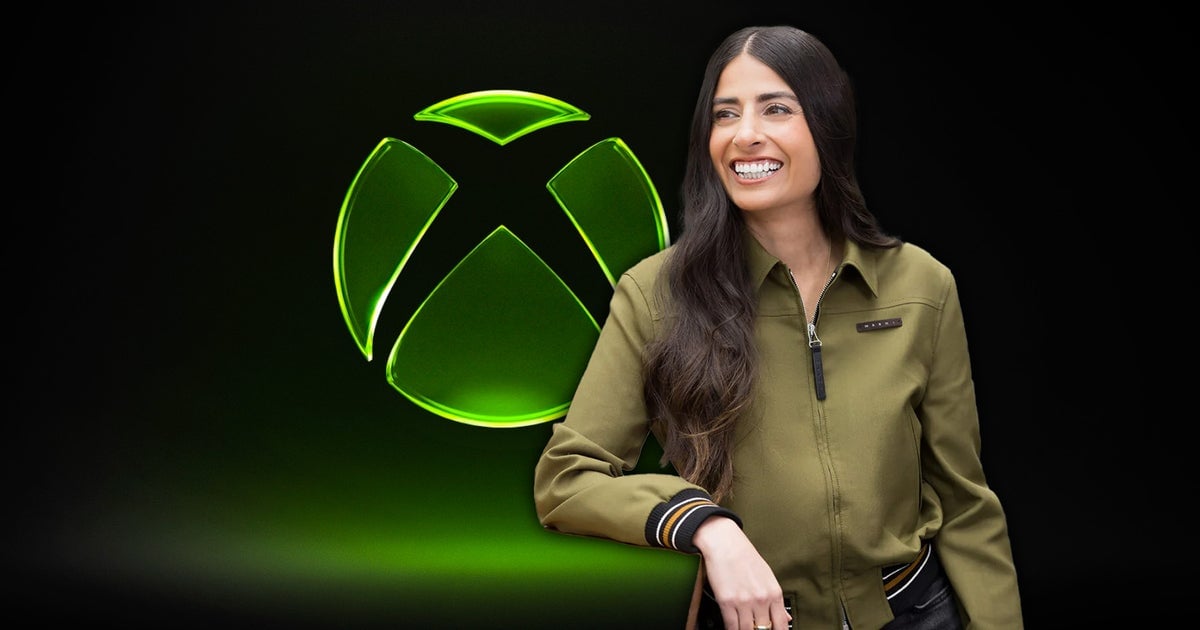
An internal memo from Xbox CEO Asha Sharma confirms what everyone already knew: jacking up Game Pass prices last year drove people away. The recent price cut is helping, but Sharma warns the fix won't be quick.
"Growth slowed down, and subscriber loss accelerated after the pricing and SKU changes last year." That's Asha Sharma, the woman who replaced Phil Spencer as head of Xbox earlier this year, writing to her own staff in an internal memo reported by The Verge. It's as close to an official admission as we've ever gotten that Microsoft's 2025 decision to hike Game Pass prices was a self-inflicted wound.
The memo, sent last week and surfaced publicly today, paints a picture of a brand that knows it lost ground and is scrambling to claw it back. Sharma confirmed that since Xbox cut Game Pass Ultimate from $30 to $23 per month last month, "acquisitions grow and retention improve, which is a good first step." PC Game Pass also dropped from roughly £13.50 to £11 in the UK. The numbers behind those claims haven't been shared, so we're taking Sharma's word on the without knowing the scale.
I wrote about this when the price cut landed. $30 was the breaking point for Game Pass, and Microsoft finally blinked. What's new here is Sharma saying the quiet part out loud to employees: the 2025 pricing changes actively accelerated subscriber loss. Not stagnation. Not a plateau. Acceleration. That's a meaningful distinction, and it tells you how badly the old strategy was bleeding.
"Hard Choices" Ahead
The memo wasn't a victory lap. Sharma warned staff that "we will not solve this in one moment or one launch" and that Xbox would need to "outwork the problem" to restore what she called "durable growth." She also used the phrase "hard choices about what we build, where we invest, and what kind of company we need to be going forward."
That language is doing a lot of heavy lifting, and I don't think it's just corporate boilerplate. Microsoft sits on an enormous network of first-party studios, including everything it absorbed through the Bethesda and Activision Blizzard acquisitions. "Hard choices about what we build" could mean cancellations. It could mean more studios being restructured or downsized. It could mean pulling back from certain genres or platforms. Sharma didn't specify, and the ambiguity is probably intentional ahead of next week's Xbox Games Showcase on June 7th.
Sharma also addressed the rebrand from Xbox to XBOX, which, look, I'm not going to pretend all-caps branding is a meaningful strategic shift. "It reflects a decision to be deliberate in how we show up for the players who care most about this brand," she wrote. I think most players care more about the games and the pricing than whether the logo is uppercase, but Sharma clearly sees it as part of a broader identity reset.
The more substantive moves under Sharma's tenure have been the XBOX Player Voice feedback portal, where exclusivity topped the list of player demands, and her stated willingness to "reevaluate" Xbox's approach to exclusivity. That second point matters enormously. The multiplatform push under Spencer, bringing first-party games to PlayStation and Nintendo, left a lot of Xbox console owners feeling like their hardware choice didn't matter anymore. Sharma seems to understand that damage, even if she hasn't committed to reversing it yet.
One cost of the price cut that shouldn't be overlooked: new Call of Duty games are no longer day-one Game Pass releases. They'll arrive on the service roughly a year after launch and be sold separately at full price. For a company that spent nearly $69 billion acquiring Activision Blizzard, partially on the promise that Call of Duty would be a Game Pass anchor, that's a significant strategic retreat. It tells you that the math on day-one blockbusters in a subscription service still doesn't work at scale, or at least not at a price point subscribers will tolerate.
Sharma's real test comes on June 7th at the Xbox Games Showcase, where Gears of War: E-Day is expected to feature prominently alongside whatever else Microsoft has been building. It's the first showcase under her leadership, and the audience will be looking for more than trailers. They'll want evidence that the "hard choices" she's promising translate into a clearer identity for Xbox as a platform.
Microsoft also continues to face external pressure. The BDS movement has active calls to boycott Xbox games and products over the company's connections to the Israeli military, and some smaller game teams have reportedly returned Xbox funding as a result. It's a dimension of the brand's challenges that doesn't show up in subscriber metrics but isn't going away.
Sharma inherited a mess. The price hike, the muddled "Everything's an Xbox" campaign, the exclusivity erosion. Three months in, she's at least naming the problems clearly, which is more than we got from the previous regime's final year. Whether naming them leads to fixing them is what the next six months will answer.
Stay on top of every update — find all the latest patch notes and gaming news at XP Gained. Join our Discord for live patch note alerts and discussion.
Written by
Nathan LeesGaming journalist and founder of XP Gained. Covering patch notes, breaking news, and updates across 160+ games.
Related Posts
8 Games Deep and June's Game Pass Lineup Isn't Done
June's Xbox Game Pass lineup has quietly grown to at least eight confirmed titles, and Microsoft hasn't even made its official Wave 1 announcement yet.
No Delay, No Exclusivity Pull. Fable Stays on PS5
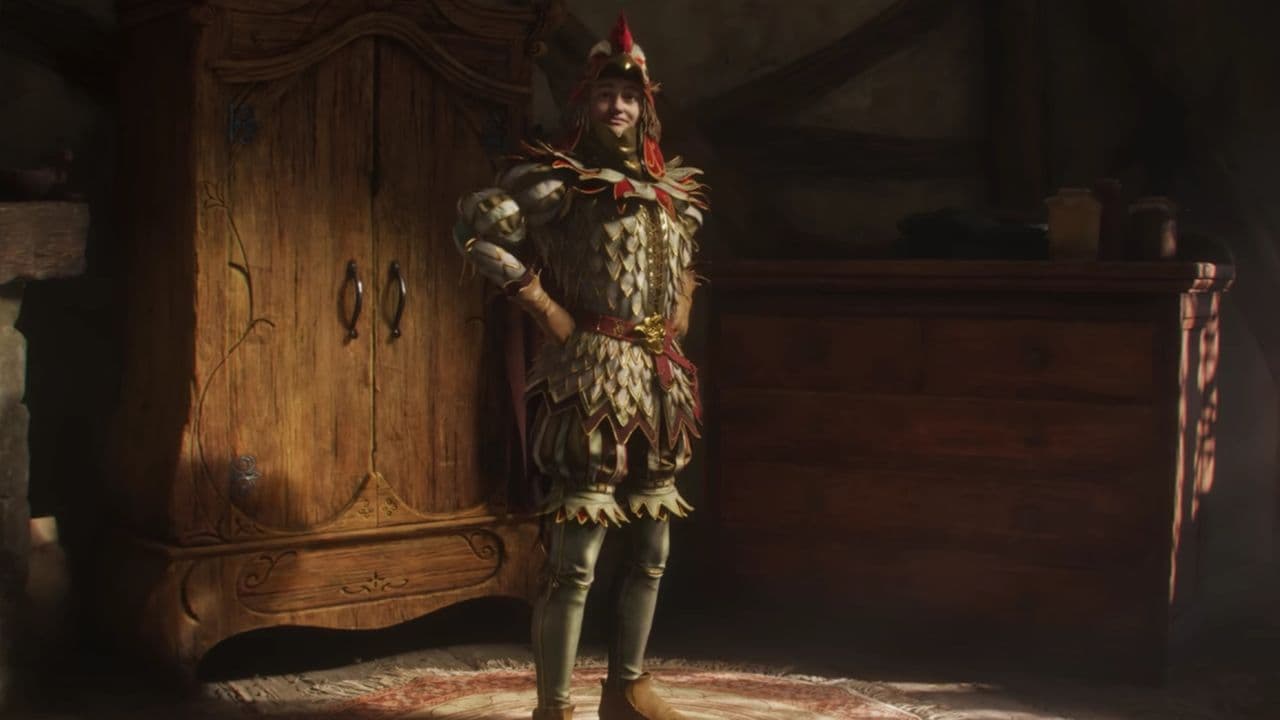
Despite Xbox leadership floating the idea of reevaluating its exclusivity approach, Playground Games has confirmed Fable is still launching on PS5 at launch, and still on track for 2026.
Game Pass Dumps Its 2024 GOTY to Make Room for 13 New Titles
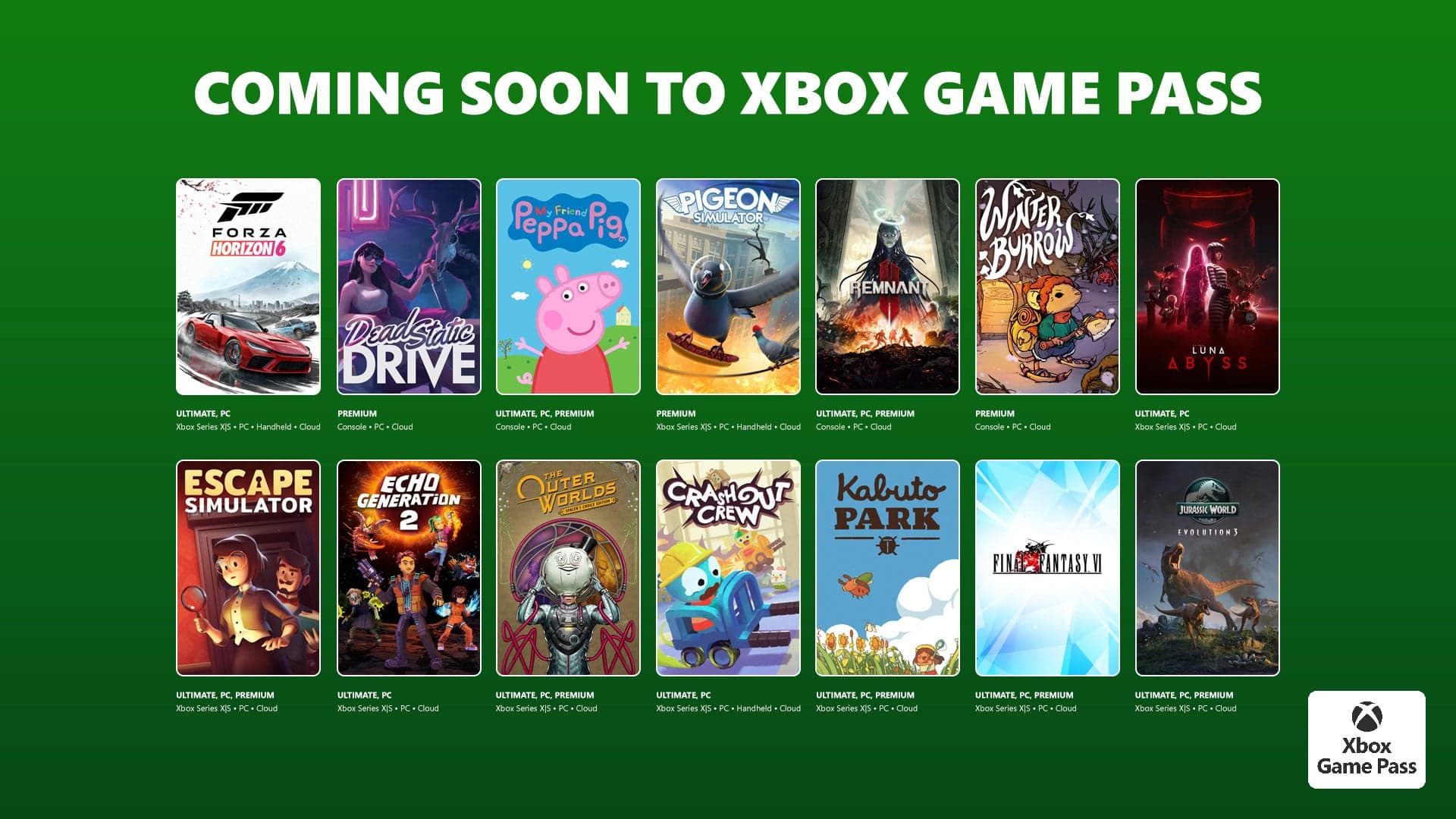
Metaphor: ReFantazio, GameSpot's 2024 Game of the Year, is leaving Xbox Game Pass on May 31 alongside Persona 4 Golden. Meanwhile, 13 new games are rolling in, headlined by Jurassic World Evolution 3 and Remnant II.