A $900 Xbox? Sharma Pushes Radical New Plans for Helix
With RAM costs spiralling and Project Helix potentially hitting $900 or more, Xbox CEO Asha Sharma says the old console playbook is dead and new business models are coming this year.
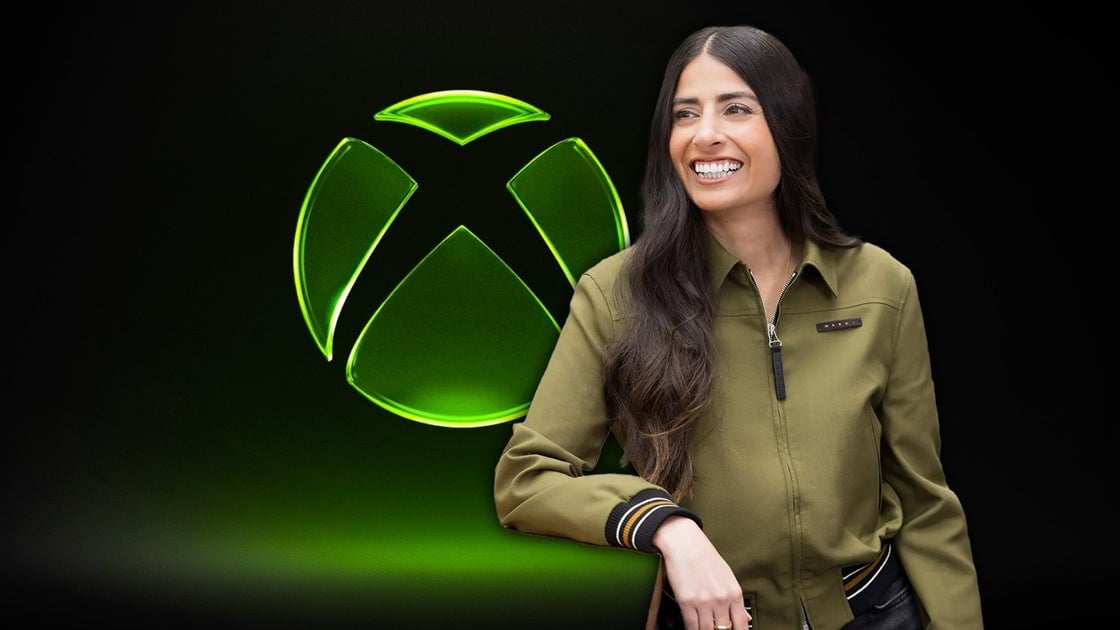
Memory costs have gone up 2.75 times what they'd normally be at this stage of a console generation. In the hundred days since Asha Sharma took over as Xbox CEO, they've climbed another 50 percent on top of that. By the time Project Helix is supposed to ship, she expects them to be up 7.5 times. Those numbers, laid out during a Fortune live event, paint a picture of a next-gen Xbox that could land well north of $900, and a CEO who knows that price would be a death sentence for mass adoption.
Sharma didn't dance around it. "I think we've reached a point where it will be hard to imagine that mass audiences can afford thousands of dollars to spend on a console generation," she said. Note the plural: thousands. "So I think we will start to see radically different business models that we never expected start to come into orbit later this year."
I wrote about Sharma's earlier comments on affordability just recently, where she insisted Xbox would never charge "thousands of dollars" for a console. What's shifted now is the specificity. She's no longer just acknowledging the problem; she's signalling that solutions are actively in motion, and that some of them will surface before the end of 2026.
What "radically different" might mean
Sharma dropped several breadcrumbs without committing to any single plan. She talked about rethinking "the cost construction of the console," creating "different plans so more people can participate," and pursuing partnerships for "better distribution and reach." If that language sounds familiar, it's because it maps neatly onto the smartphone model: subsidised hardware bundled with a service contract, possibly through a broadband provider or similar partner.
Xbox tried something adjacent with Xbox All Access, the rent-to-own programme that bundled a Series X/S with Game Pass for 24 monthly payments. That programme has since been discontinued, but the logic behind it is more relevant now than it was at $500 consoles. At $900, an upfront purchase expensive; it's exclusionary.
There's also the cloud angle. Xbox was reportedly working on a streaming-focused console at one point that never shipped, and recent reports have pointed to an ad-supported tier of Xbox's cloud gaming service. A cheaper box that offloads heavy processing to the cloud would sidestep the worst of the RAM crisis, though it would introduce its own set of problems around latency and internet access. Sharma didn't confirm any of this directly, but her comments about needing something beyond "the most premium, high-performance console in the world" leave the door wide open.
What I find most interesting is how far Sharma went on the software side. She said developers will need to "think very differently about storage and memory going forward," applying new compression techniques and building games that can "fit on device." After years of AAA install sizes ballooning past 100 GB with no pushback from platform holders, having an Xbox CEO openly suggest that games need to get smaller is a genuine shift in tone. Whether studios actually follow through is another matter entirely, but the economic pressure is real enough that they might not have a choice.
Sharma was also candid about the tension between Helix's ambitions and its commercial reality. She confirmed the console will still play PC games and deliver "leading-edge performance," but admitted there's "material work to do to make sure that it is available to the people that want to play." Translating that from corporate speak: they haven't figured out how to make it affordable yet, and they know that's a problem.
Sony's Hiroki Totoki has made similar noises about PlayStation 6, saying the company "must think carefully" and "consider changing business models." Valve recently hiked the Steam Deck's price by $300. Nintendo's Switch 2 launched at a higher price point than its predecessor. Every hardware maker is staring at the same cost curve, but Sharma is the first to explicitly say the traditional model of selling a premium box every seven years might be broken.
I think she's right, and I think the industry has been slow to admit it. The console business has always relied on selling hardware at or near cost and making money on software and services. When the hardware cost doubles or triples, that equation doesn't just get harder; it falls apart. Subscription models, cloud-first devices, payment plans bundled with Game Pass: none of these are elegant solutions, and each comes with trade-offs that will frustrate some portion of the audience. But the alternative is a $900 console that nobody buys, and Sharma clearly isn't willing to let that happen.
She framed the timeline as long-term, saying innovation in this space "will take years, not days, not weeks." Some of the new business models she referenced will apparently surface later this year, though she gave no specifics on what exactly players should expect or when. Project Helix itself still has no confirmed price or release date, though previous reporting has pointed to a 2027 launch window.
Stay on top of every update — find all the latest patch notes and gaming news at XP Gained. Join our Discord for live patch note alerts and discussion.
Written by
Nathan LeesGaming journalist and founder of XP Gained. Covering patch notes, breaking news, and updates across 160+ games.
Related Posts
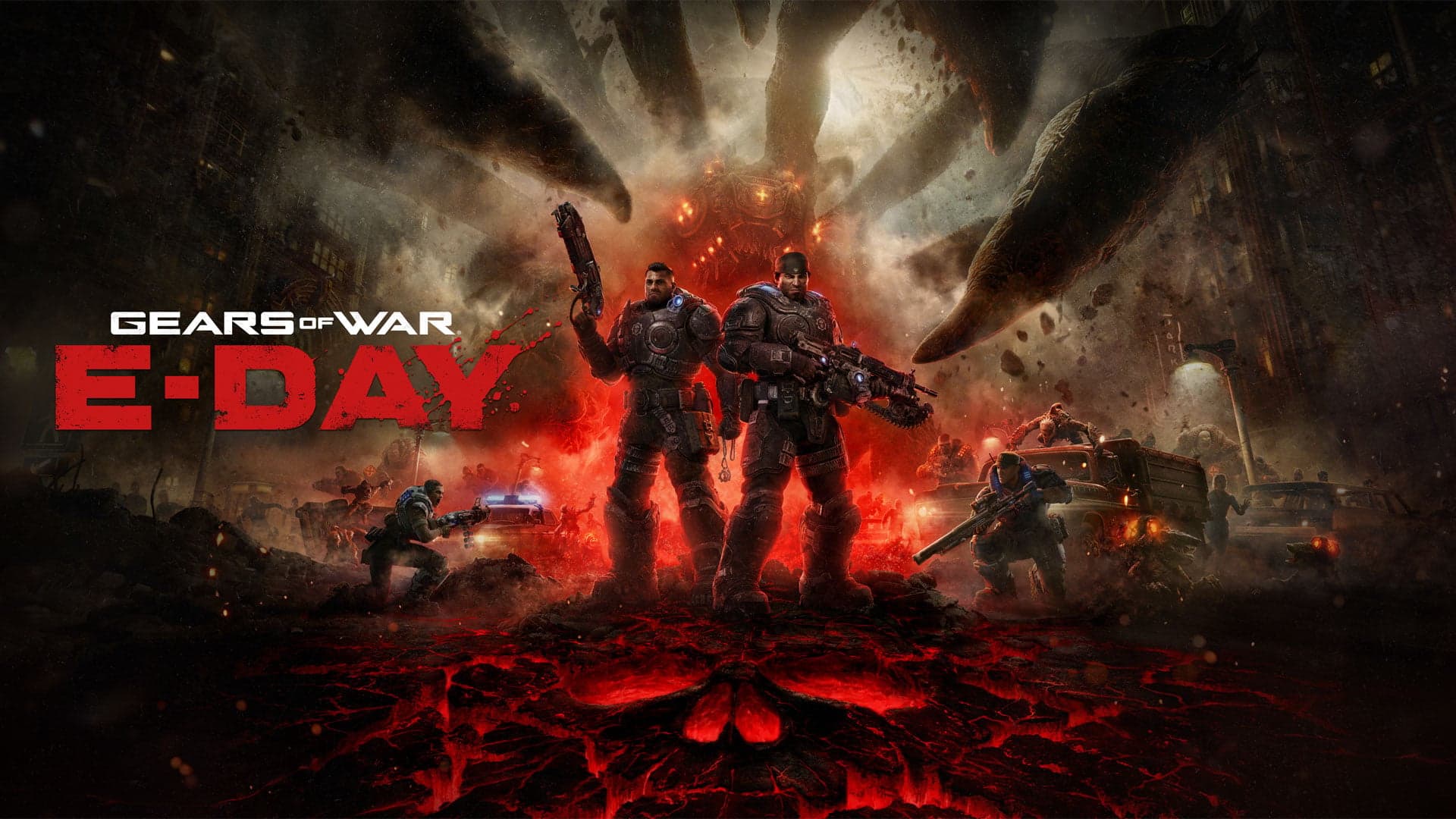
Game Pass Drops 11 Games in August, Led by Gears E-Day Beta
Microsoft's August Game Pass wave brings 11 games including the Gears of War: E-Day beta, Grounded 2 in early access, and a surprise Game Freak RPG. The Gears beta starts August 6, but there's a catch.
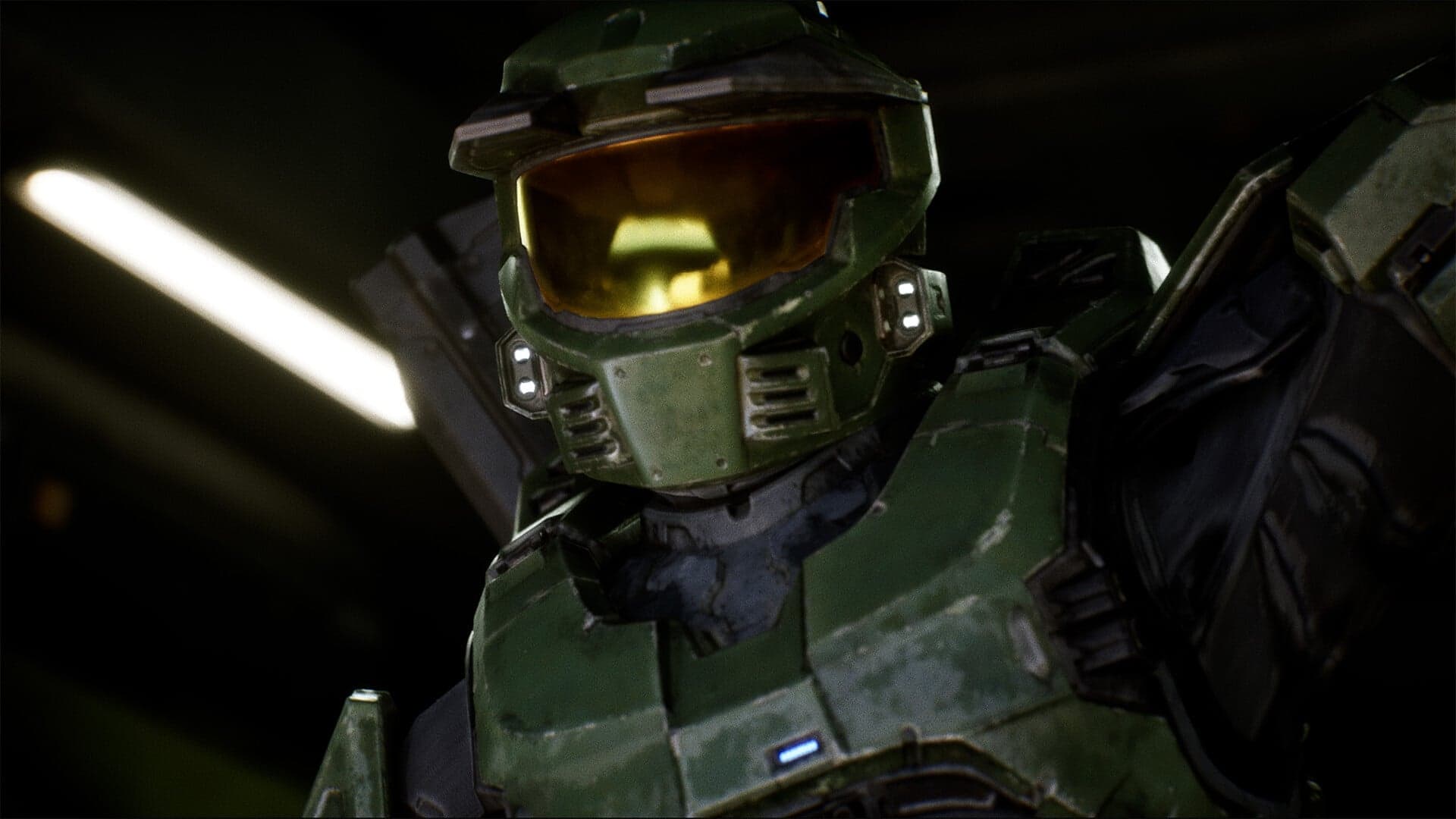
Celeste Leaves Game Pass as Halo Remake Takes Over
Seven games join Game Pass over the next two weeks, headlined by Halo: Campaign Evolved on July 28. But Celeste, Crusader Kings III, and six others are leaving on July 31.
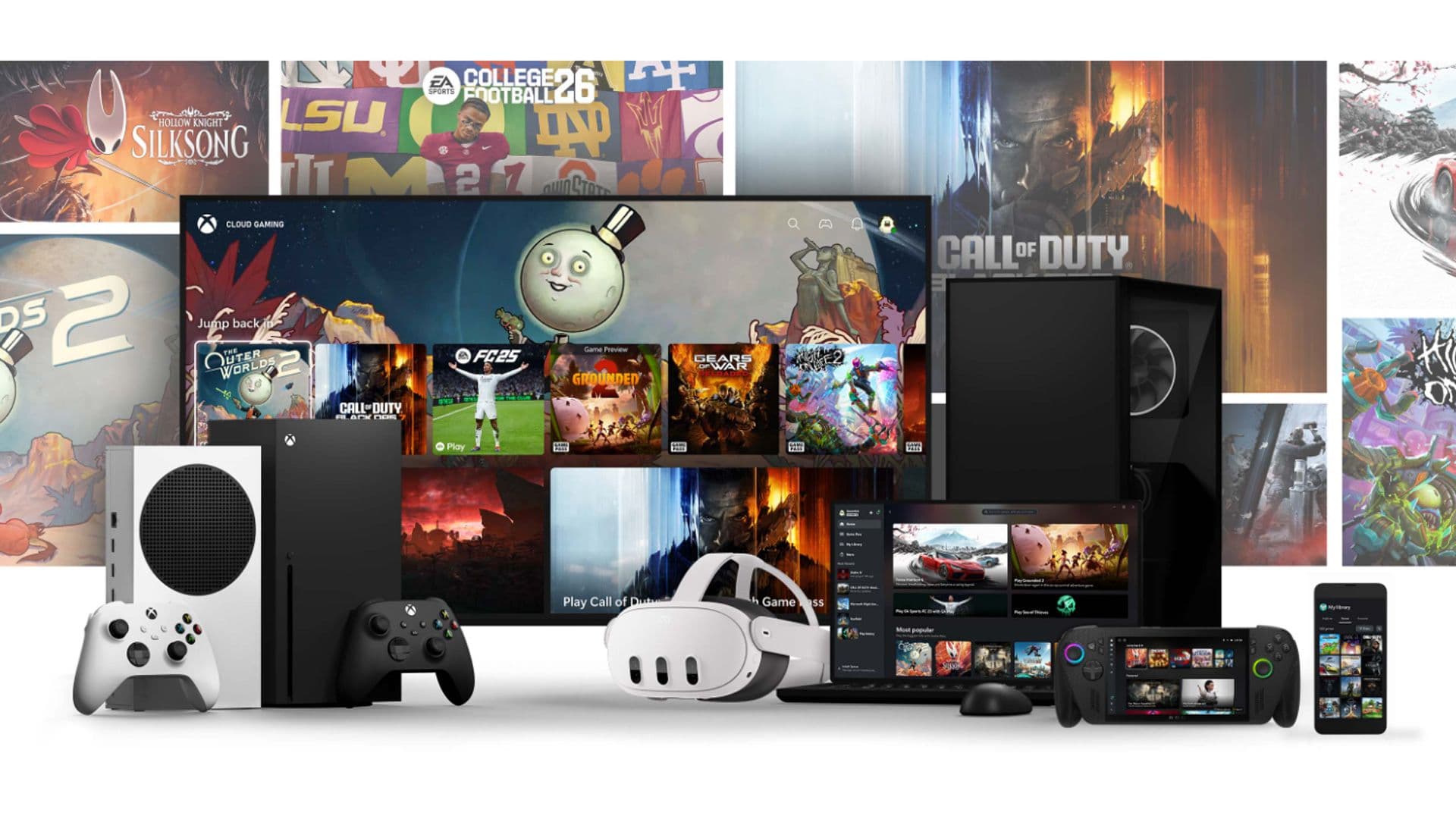
A $10 Hike Cost Xbox Millions of Game Pass Subscribers
Xbox's chief strategy officer revealed at Summer Game Fest that the October 2025 price increase drove millions of subscribers away in just a few months.