Microsoft May Spin Off Xbox Like LinkedIn or GitHub
Three sources told The Information that Microsoft has considered spinning Xbox out into a standalone business unit, a move that could pave the way for a sale or joint venture.
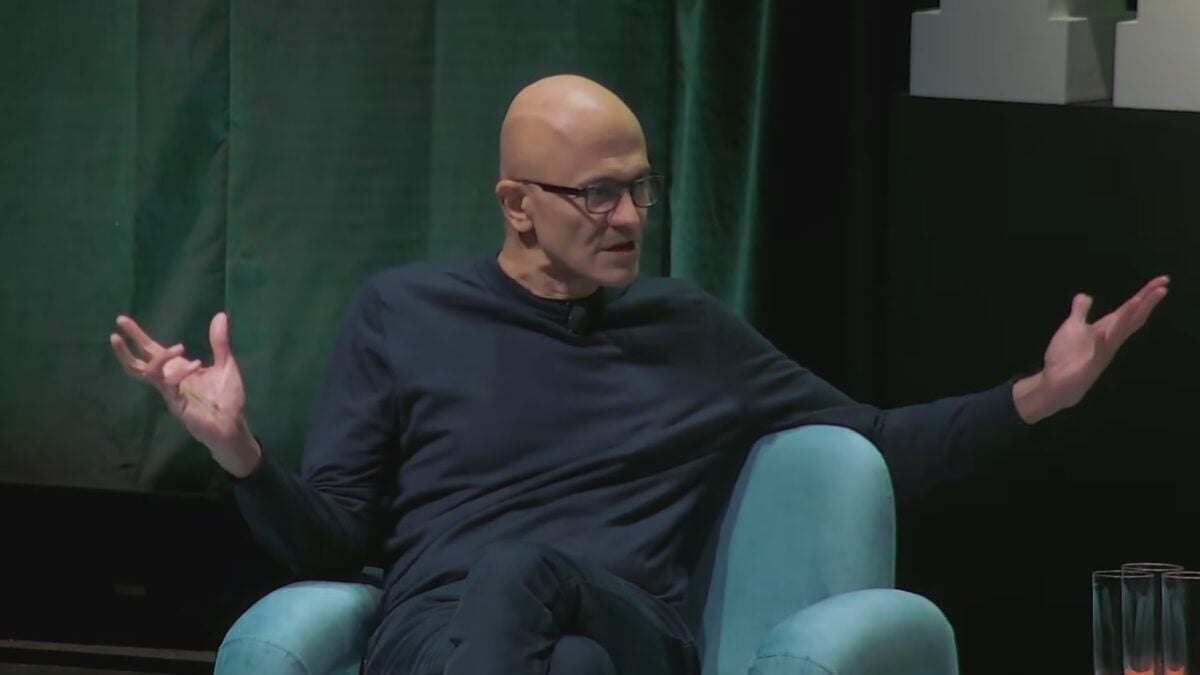
Three people with direct knowledge of high-level conversations at Microsoft told The Information that the company has considered spinning Xbox out into a standalone business unit, structured similarly to how LinkedIn and GitHub operate under the Microsoft umbrella. The implication is serious: a standalone Xbox would be far easier to sell outright or to bring in an outside partner willing to co-invest.
This isn't idle speculation from analysts or Reddit threads. These are people inside the building describing conversations that have actually taken place at senior levels. And when you pair that report with CEO Satya Nadella's own public comments from the Hard Fork Live event in San Francisco on June 10, the picture that emerges is of a company that has spent 25 years and well over $80 billion building a gaming empire and is now openly questioning whether it should keep holding the keys.
Nadella's frustration
Nadella didn't mince words on stage. "The challenge we have is we've not been monetizing that entertainment," he said. "In fact, if anything, we've been subsidizing that entertainment. In fact, there's more monetization of Xbox games happening on YouTube than at Microsoft."
Let that sink in. The CEO of Microsoft is standing in front of a live audience saying that content creators making YouTube videos about Minecraft and Forza are extracting more value from Xbox's catalogue than Microsoft itself. That's not a throwaway gripe. That's an indictment of the entire business model, delivered by the person who signs off on whether Xbox continues to exist inside this company.
He did offer the caveat that Xbox wouldn't do anything "unnatural," and that the goal is still to "build great games, build great hardware." But the sentence that followed was the one that mattered: "We've got to do it in an economically sustainable way." When the CEO of a trillion-dollar company starts using the word "sustainable" to describe a division, that division is on notice.
Nadella also acknowledged that AI and cloud computing demand is driving up semiconductor and memory prices, directly impacting what it will cost to build the next Xbox hardware, codenamed Project Helix. "The scarcity of the semiconductor supply and memory in particular is having a massive impact on consumer electronics all-up," he said. He framed this as temporary, but the structural question, "What's the Xbox model going forward?", he called permanent.
I've written several pieces over the past week about Xbox's financial reality: the 3 percent accountability margins that new Xbox CEO Asha Sharma disclosed in her memo, an index fund would have been a better investment than Xbox's returns, the reality that YouTube generates more revenue from Xbox's own games than Microsoft does. Each of those stories felt like individual data points. The spin-off report from The Information connects them into something much bigger. Microsoft unhappy with Xbox's margins. It's reportedly exploring whether Xbox should remain part of Microsoft at all.
Self-inflicted wounds
What makes this especially grim is how many of Xbox's problems trace back to Microsoft's own decisions. The Information's sources say the company wants to speed up development timelines on franchises like Halo, Fallout, and Elder Scrolls. But Halo Studios has been plagued by management issues and a reliance on contract workers that collided with Microsoft's own 18-month contractor limits, slowing Halo Infinite's development. Bethesda has always had long dev cycles, but parent company ZeniMax used to offset that with output from Arkane Studios, iD Software, and Tango Gameworks. After Microsoft's $7.5 billion acquisition of ZeniMax, it shut down Arkane Austin and Tango Gameworks, eliminating the very studios that kept the release pipeline flowing.
Microsoft owns Call of Duty, Candy Crush, Game Pass, xCloud, and a hardware business. It owns some of the most recognizable franchises in gaming history. And it still can't make the numbers work. Spinning Xbox off like LinkedIn or GitHub wouldn't just be an organizational chart change. It would be an admission that one of the biggest spenders in gaming history couldn't figure out how to turn spending into profit.
Sharma's 100-day reset is still in progress, and Nadella's Hard Fork appearance was reportedly recorded before The Information's spin-off report surfaced. So nobody on stage asked him about it directly. But the language he used, "sustainable," "economically viable," "we've been subsidizing," paints a picture of a CEO who has run out of patience with a division that has consumed historic amounts of capital and delivered third-place market share in return. If the next 100 days don't produce a credible path to profitability, the LinkedIn/GitHub playbook starts looking less like a contingency and more like a plan.
Stay on top of every update — find all the latest patch notes and gaming news at XP Gained. Join our Discord for live patch note alerts and discussion.
Written by
Nathan LeesGaming journalist and founder of XP Gained. Covering patch notes, breaking news, and updates across 160+ games.
Related Posts
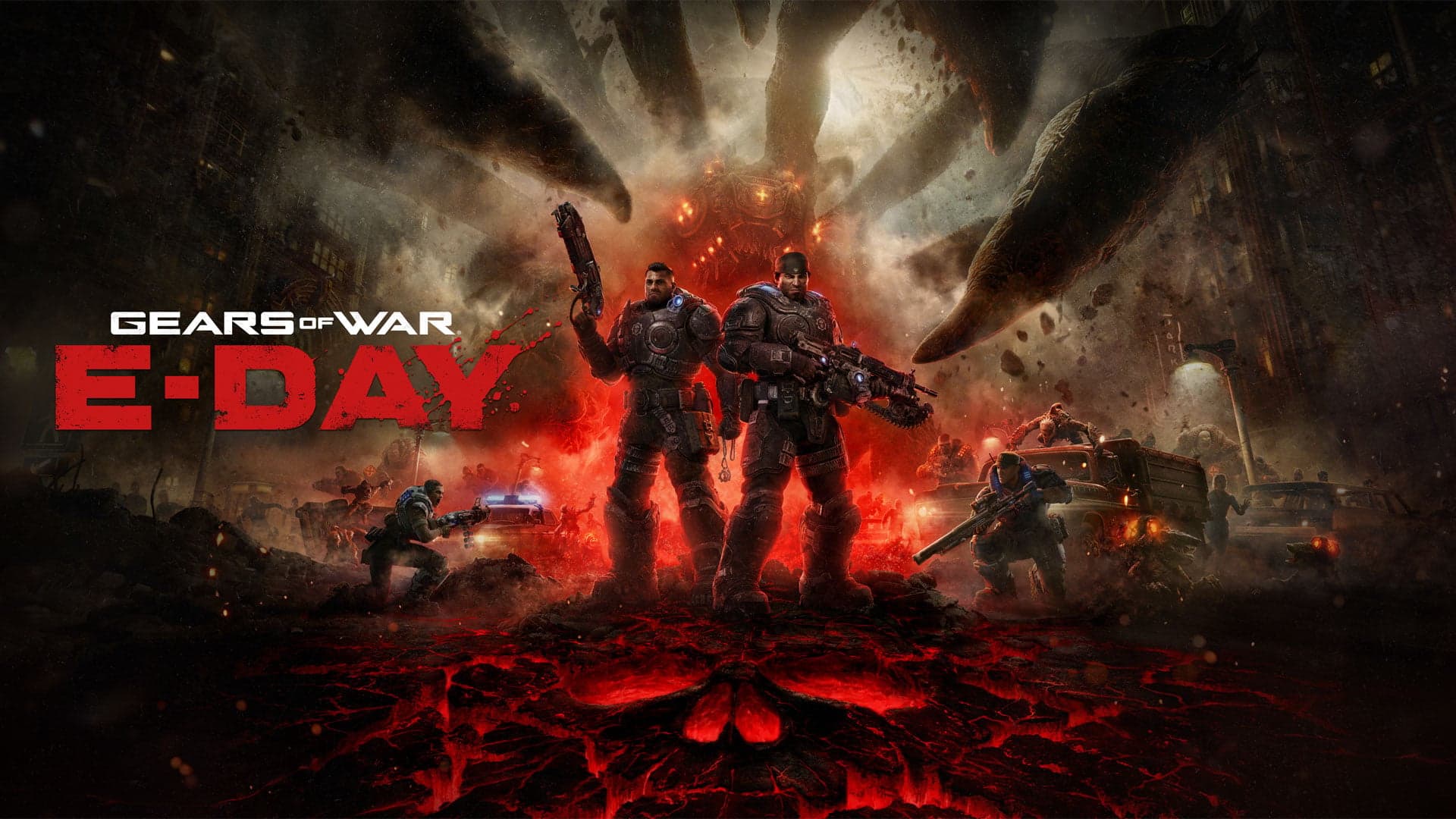
Game Pass Drops 11 Games in August, Led by Gears E-Day Beta
Microsoft's August Game Pass wave brings 11 games including the Gears of War: E-Day beta, Grounded 2 in early access, and a surprise Game Freak RPG. The Gears beta starts August 6, but there's a catch.
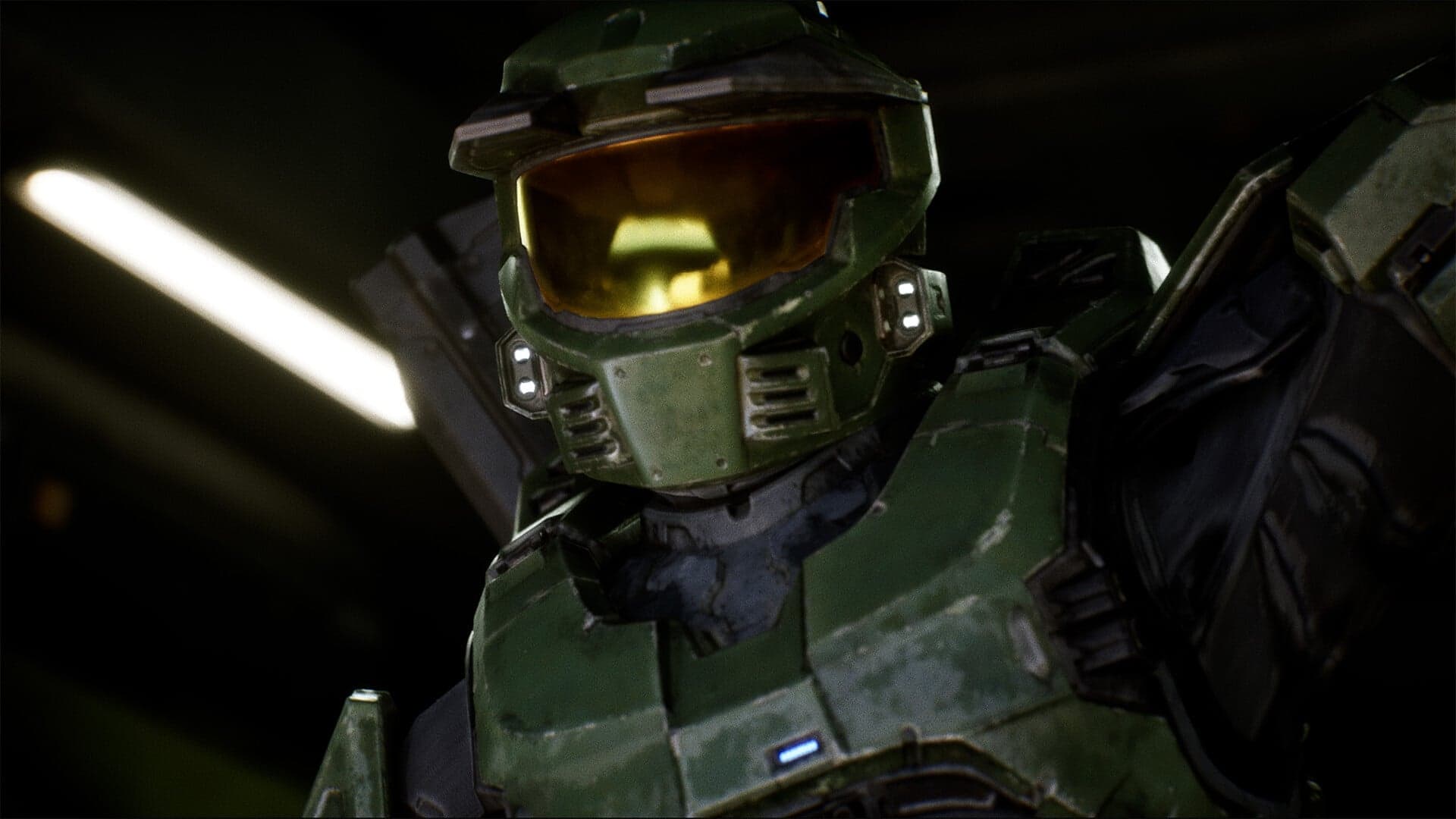
Celeste Leaves Game Pass as Halo Remake Takes Over
Seven games join Game Pass over the next two weeks, headlined by Halo: Campaign Evolved on July 28. But Celeste, Crusader Kings III, and six others are leaving on July 31.
8 Games Deep and June's Game Pass Lineup Isn't Done
June's Xbox Game Pass lineup has quietly grown to at least eight confirmed titles, and Microsoft hasn't even made its official Wave 1 announcement yet.