Suicide Squad's $200M Flop Nearly Drove Two Devs Out of
Suicide Squad: Kill the Justice League's game director and associate design lead have spoken openly about how Warner Bros' spreadsheet-driven development nearly pushed them out of gaming entirely.
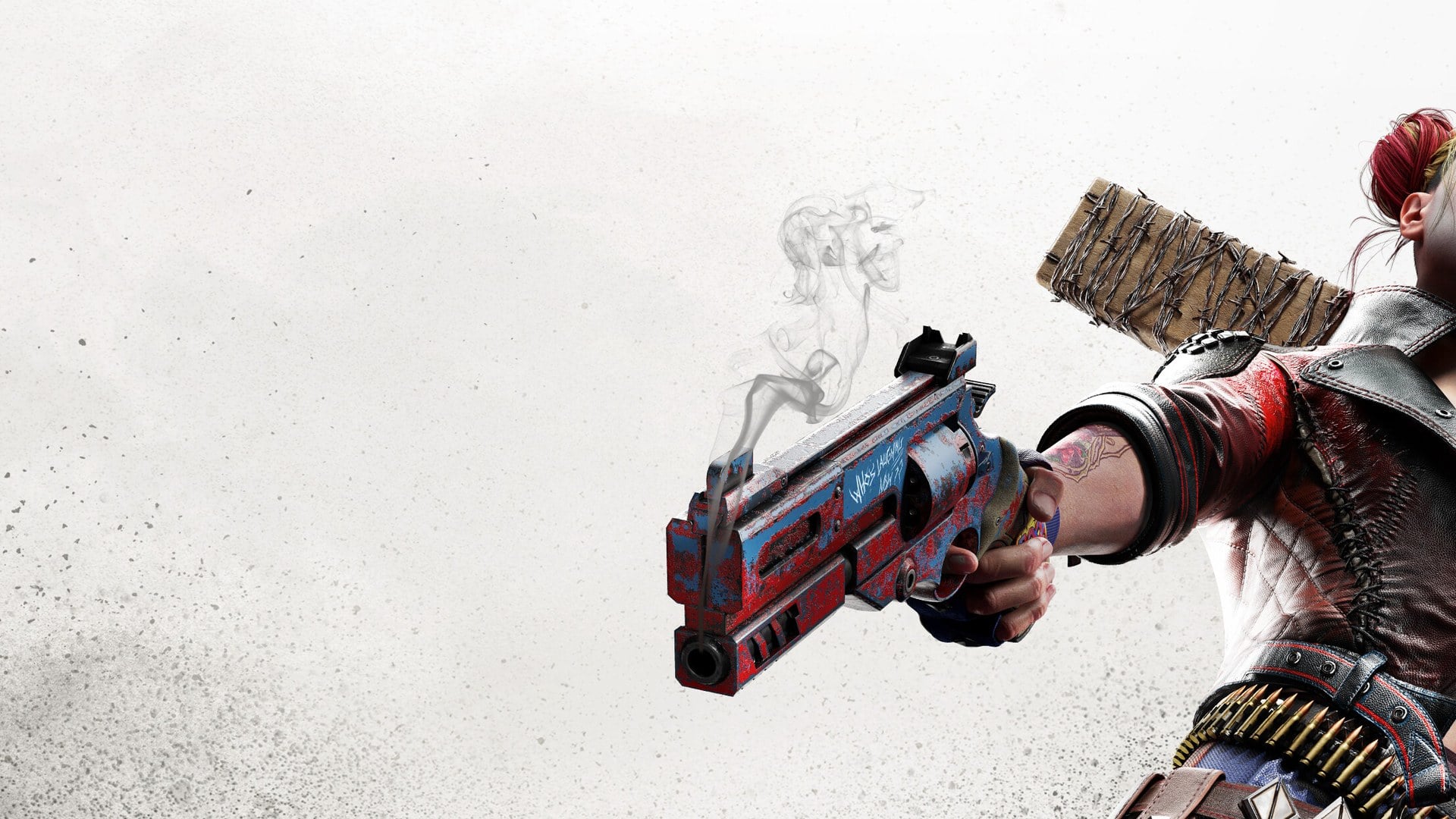
Warner Bros. Reportedly lost $200 million on Suicide Squad: Kill the Justice League. Two of the people who built it nearly lost something harder to quantify.
In a new interview with Bloomberg, former Rocksteady game director Axel Rydby and associate design director Johnny Armstrong have given one of the most candid accounts yet of what went wrong inside the studio during Suicide Squad's seven-year production. Rydby, who joined Rocksteady in 2018 and became director in 2022, described a gradual shift in priorities as delays mounted and Warner Bros. Executives grew increasingly fixated on recouping their ballooning investment. Meetings stopped being about what would be cool and started revolving around replayability metrics and monetisation potential.
"That's when I started feeling like I wasn't making games anymore. I was following a spreadsheet, some elusive marketing-analysis spreadsheet that no one could present clearly. I kind of felt like this isn't the gaming industry I wanted to work in."
Armstrong, who had been at Rocksteady since 2010 and rose through the ranks during the Arkham trilogy, pointed to overconfidence as a root cause. The studio was coming off three consecutive hits and assumed it could pivot to live-service without missing a beat. But Suicide Squad's scale made iteration painful, and a pattern of small delays rather than a single strategic reset meant the game never got the deep rework it needed. "We put all these hours in, but it didn't feel like it was tangibly getting better," Armstrong told Bloomberg. "Everyone felt like they were having to run to stand still."
That description tracks with what players saw at launch. Suicide Squad shipped in February 2024 to poor reviews and worse sales, eventually costing Warner Bros. A reported $200 million in write-offs and triggering multiple rounds of layoffs at Rocksteady. The fallout also reportedly led to the cancellation of Monolith's Wonder Woman game. When Warner Bros. Finally pulled the plug on Suicide Squad's live-service support, Armstrong said the experience had hollowed him out.
"I felt everything drained from me. I said, 'I can't do this again. I don't know if I'm done with the industry, but I'm done.' I could feel myself coming apart at the seams."
From $200M to $11,000
Neither developer actually quit. After leaving Rocksteady, the two reconnected and are now building Secret of Circadia, an indie deckbuilder RPG with roguelite and city-building elements. They're running a Kickstarter with a goal of just $11,382 and have raised roughly $1,500 so far. The game's page includes an anti-generative-AI disclaimer and describes itself as "an open love letter to the indie gaming industry" from "a pair of slightly jaded AAA developers."
Rydby used the interview to issue a broader warning. "I think as an industry we are severely losing our way," he said. "It used to be passion projects that you loved and hoped other people loved too. When they did, it was such an amazing feeling. It became less and less of that. It became: 'Let's hope it sells. Let's hope we get money from it.'"
I've written before about how live-service mandates from publishers have gutted studios that had no business chasing that model, and Rocksteady is maybe the most painful example. This was a team that made three of the best superhero games ever created, and Warner Bros. Pointed them at a genre they had zero experience in, then spent seven years steering by spreadsheet when the results weren't materialising. Both developers describing the experience in terms of personal collapse rather than professional frustration says everything about how these projects grind people down. Meanwhile, Rocksteady itself was reportedly working on a new single-player Batman game as of early 2025, and was later listed as a co-developer on Lego Batman: Legacy of the Dark Knight in May 2026. Whether those are the same project remains unclear, but it would be a quiet admission that the live-service detour was a mistake from the start.
Stay on top of every update — find all the latest patch notes and gaming news at XP Gained. Join our Discord for live patch note alerts and discussion.
Written by
Nathan LeesGaming journalist and founder of XP Gained. Covering patch notes, breaking news, and updates across 160+ games.
Related Posts
"We Didn't Deliver", FC 27 Devs on FUT's Lost Year
EA's FC 27 Ultimate Team team has done something rare: publicly admitted they dropped the ball. Here's what they're changing and why it matters.
FC 27's Biggest FUT Overhaul Kills Chemistry in SBCs
EA Sports is gutting the chemistry system from Squad Building Challenges in FC 27, replacing it with a simple score threshold. Combined with the new FUT Gallery collection mode, this is the biggest structural shake-up Ultimate Team has had in years.

Four Years Later, Mbappé Reclaims EA's FC Cover
Kylian Mbappé is back on the front of EA's football franchise for the first time since the FIFA days, headlining the Ultimate Edition of EA Sports FC 27.