Why the $1,049 Steam Machine Was Supposed to Be $750
Valve engineers revealed they have zero negotiating power with RAM suppliers, who offer monthly prices on a take-it-or-leave-it basis. The result: a Steam Machine that costs roughly $300 more than Valve originally planned.
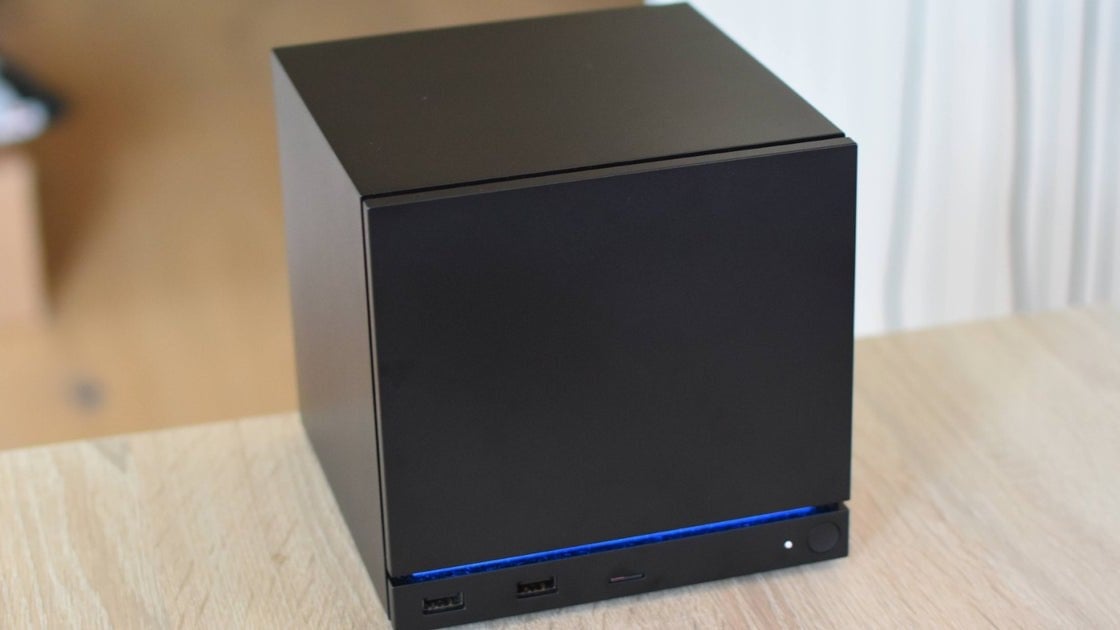
Roughly $300. That's the gap between what Valve wanted to charge for the Steam Machine and what it actually costs. The base model opened for randomised reservations on June 22nd at $1,049, and in a series of interviews around the launch, Valve engineers laid out exactly why the number landed so far above their original target: RAM suppliers hold all the cards, and Valve can't even bluff.
In an interview with Gamers Nexus, Valve engineer Pierre-Loup Griffais described the company's relationship with memory component manufacturers in blunt terms. "Look, there's no contract; there's nothing," Griffais said. "Like, those guys… they give us a price every month, or something, and they say, 'You can buy that many, and it's yes or no.' And if we say no, then they never talk to us again." No long-term deals, no bulk discount leverage, no negotiation. Just a monthly number and a binary choice.
That dynamic explains a lot. Valve has been telegraphing pricing anxiety for months, and engineer Yazan Aldehayyat confirmed in a separate interview that the Steam Machine is "definitely more expensive than we hoped." According to a blog post Valve published alongside the reservation announcement, the company felt it had a solid understanding of component cost trajectories when it started sourcing parts back in 2023. The assumption was simple and historically reliable: PC hardware gets cheaper over time. Over the past year, memory and storage pricing flipped that assumption on its head.
Where Did $300 Go?
Estimates suggest Valve was originally targeting something around $750 for the base Steam Machine, a figure that would have put it in genuine competition with consoles and pre-built budget PCs. Instead, the AI industry's insatiable appetite for memory components has driven prices up across the board. RAM-producing companies are prioritising massive orders from AI firms building out data centres, leaving consumer electronics manufacturers to fight over what's left at inflated rates. Valve isn't alone in feeling this; Sony and Xbox have both raised console prices in the past twelve months, and Apple recently acknowledged that price increases on some of its own products were unavoidable.
But Valve's position is uniquely uncomfortable. Sony and Microsoft move enough console units to command long-term supply agreements. Valve, despite being one of the most powerful companies in PC gaming, is a hardware newcomer by comparison. The Steam Deck sold well, but "well for a PC handheld" and "well enough to strong-arm Samsung or SK Hynix" are very different things. The monthly take-it-or-leave-it arrangement Griffais described makes that power imbalance painfully clear. I think this is the part of the story that deserves more attention than the sticker shock itself: Valve literally cannot negotiate. They're buying components the way you buy concert tickets from a scalper.
The Steam Deck OLED already took a hit from the same forces, with price hikes of up to 46% eroding its reputation as the affordable entry point into PC gaming. The Steam Machine now carries that same baggage at a higher starting price. Aldehayyat was careful not to promise any future relief, saying "it's too dangerous for us to speculate right now" on whether prices might eventually come down. Lawrence Yang, another Valve designer, added that "component prices are too high, and components themselves are too rare, to make what we want, at the price that we want, when we want to."
What makes this frustrating is that by all accounts, the hardware itself is good. Valve clearly designed the Steam Machine as an accessible living room PC, and the reviews landing alongside the reservation window suggest it delivers on that promise. But $1,049 for what was meant to be an entry-level device puts it in an awkward spot against consoles that cost hundreds less, even after their own price bumps. A $750 Steam Machine would have been a disruptive product. At $1,049, it's a nice piece of kit for people who already wanted a compact SteamOS PC and can stomach the premium. Those are two very different audiences, and I suspect Valve knows it.
Valve did throw a bone to anyone unwilling to pay up: SteamOS 3.8 now officially supports installation on any PC running an AMD GPU, letting you build your own Steam Machine equivalent with whatever parts you can source. Nvidia support is still missing, but for AMD users, it's a real alternative. Given the pricing situation, I'd expect a lot of people to take Valve up on that offer rather than enter the reservation lottery for a $1,049 box that was never supposed to cost this much.
Stay on top of every update — find all the latest patch notes and gaming news at XP Gained. Join our Discord for live patch note alerts and discussion.
Written by
Nathan LeesGaming journalist and founder of XP Gained. Covering patch notes, breaking news, and updates across 160+ games.
Related Posts
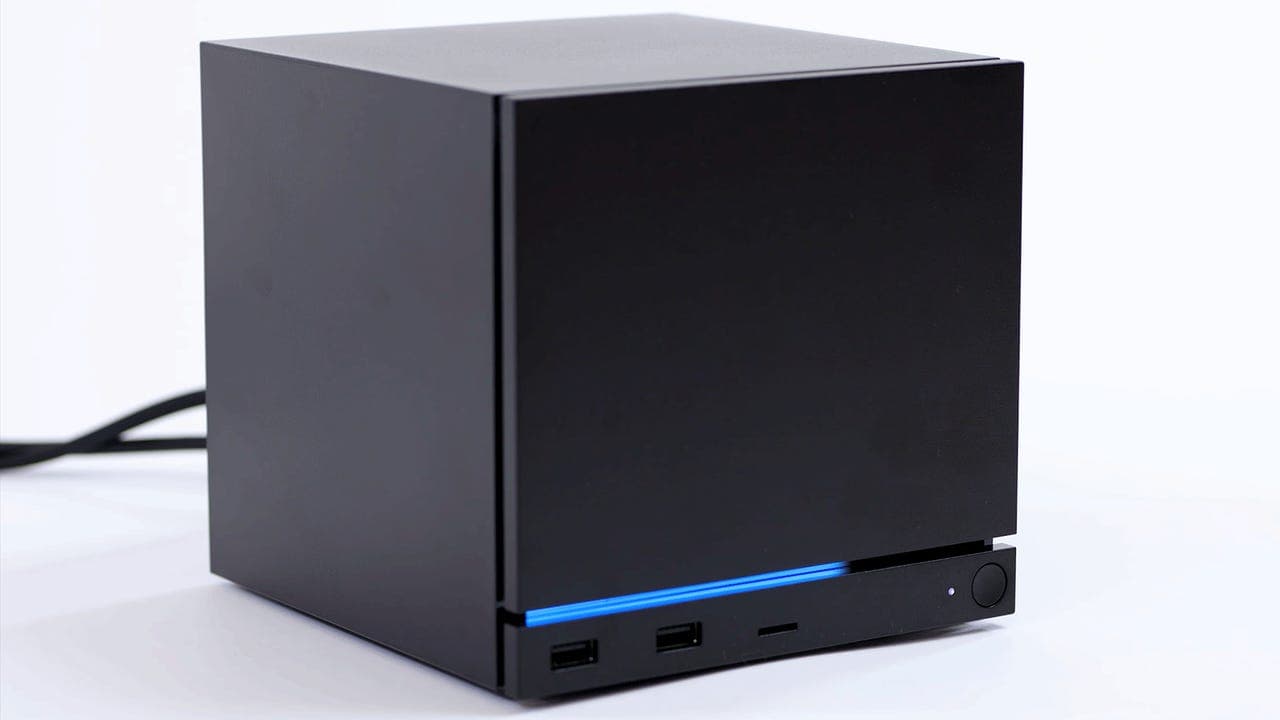
$1,049 Steam Machine Could Cost Even More by 2027
Valve's own engineers say what you're paying for memory at retail is months behind what they're seeing at the supply level. The Steam Machine's $1,049 starting price might just be the floor.
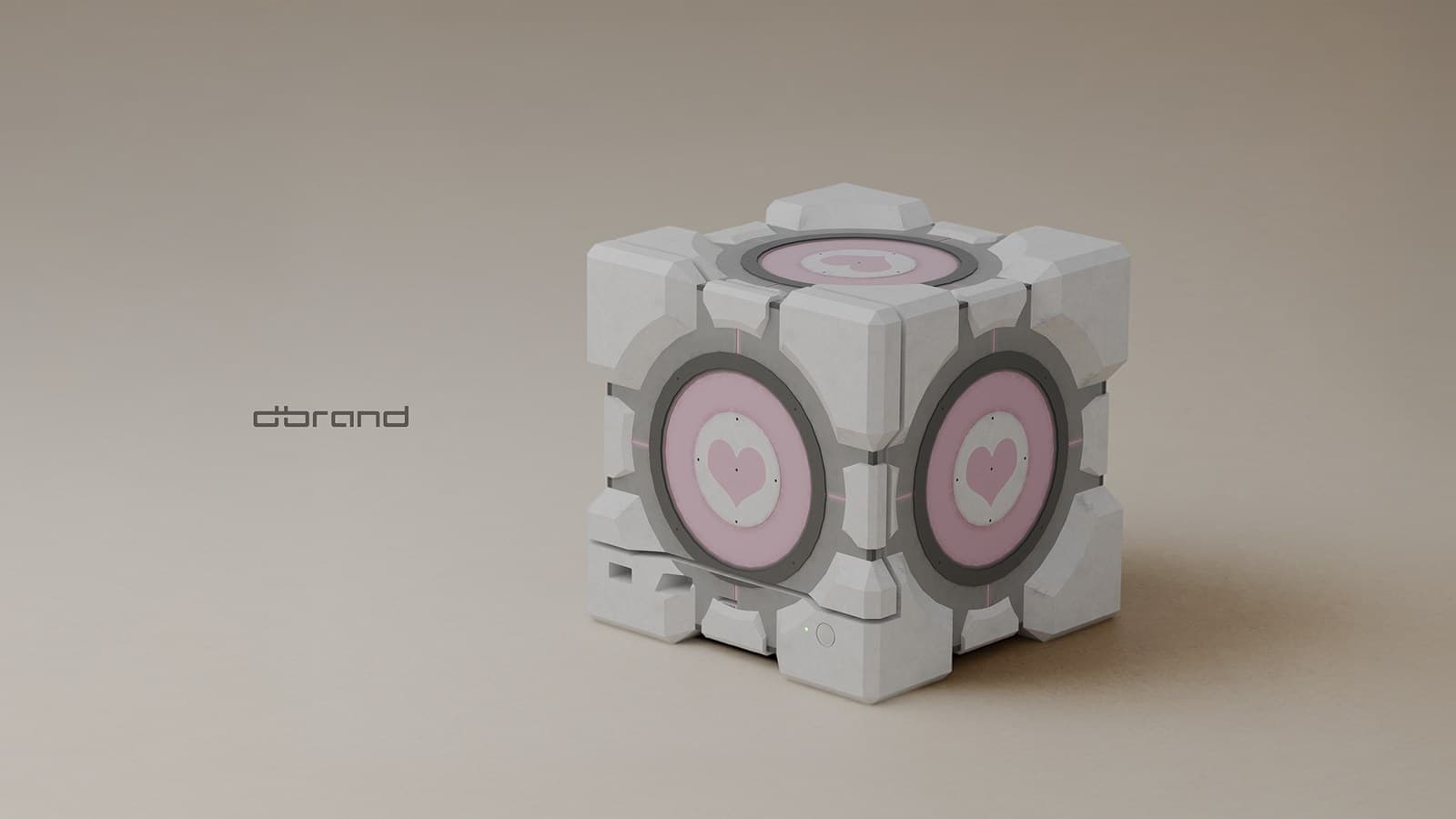
1,000 Hours of Work, Zero Permission From Valve
Dbrand poured over a thousand hours of engineering into a Portal-themed Steam Machine case, launched pre-orders, and became the company's second-fastest selling product. Then Valve's legal team pointed out the obvious problem.
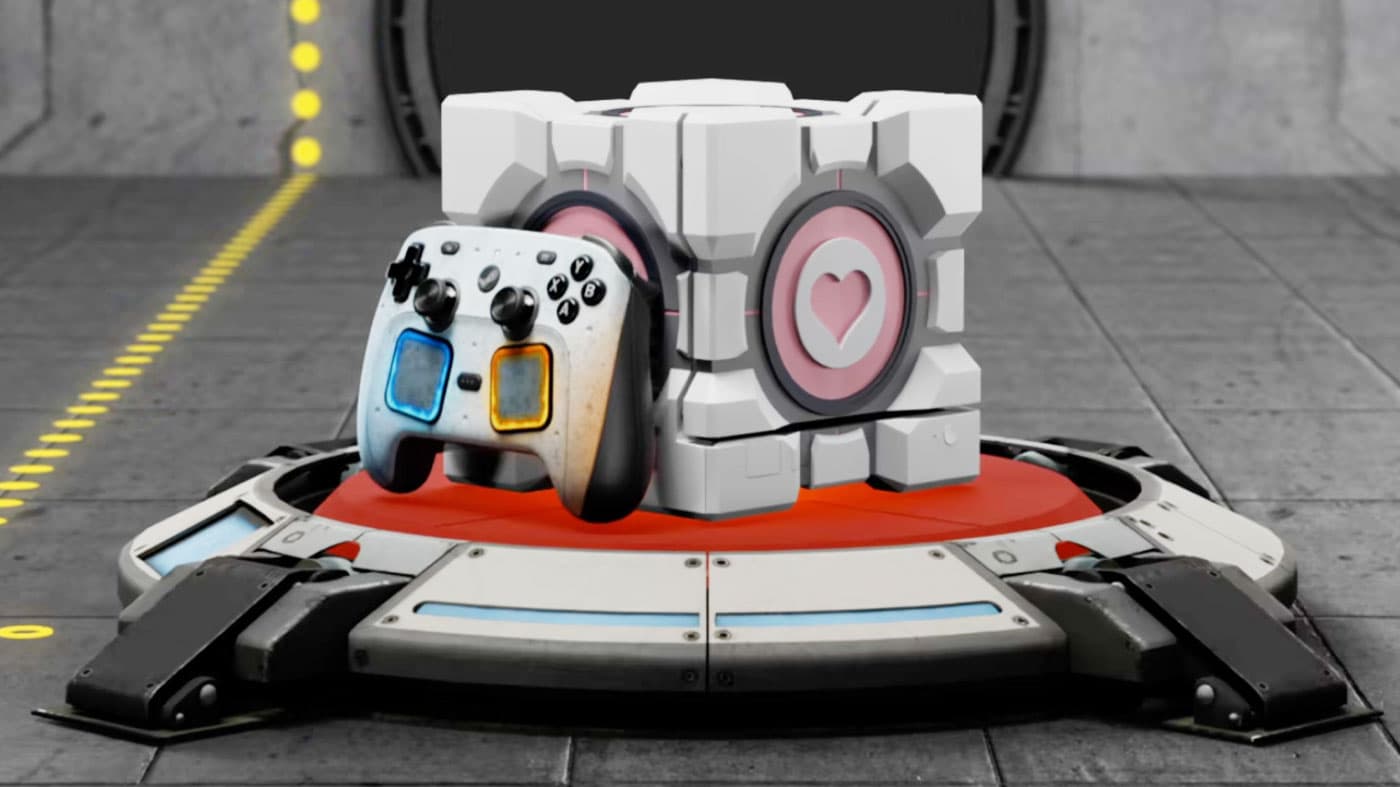
Your Steam Machine Can Live Inside a Companion Cube
Dbrand's Portal-themed Companion Cube shell for the Steam Machine is finally real and up for pre-order, complete with a test chamber diorama and a cake-themed suede cloth.