100fps in a 14mm Laptop? Nvidia RTX Spark Says Yes
Nvidia's Arm-based RTX Spark superchip promises AAA gaming at 1440p and over 100fps in laptops as thin as 14mm, with DLSS 4.5 Ray Reconstruction arriving in August.
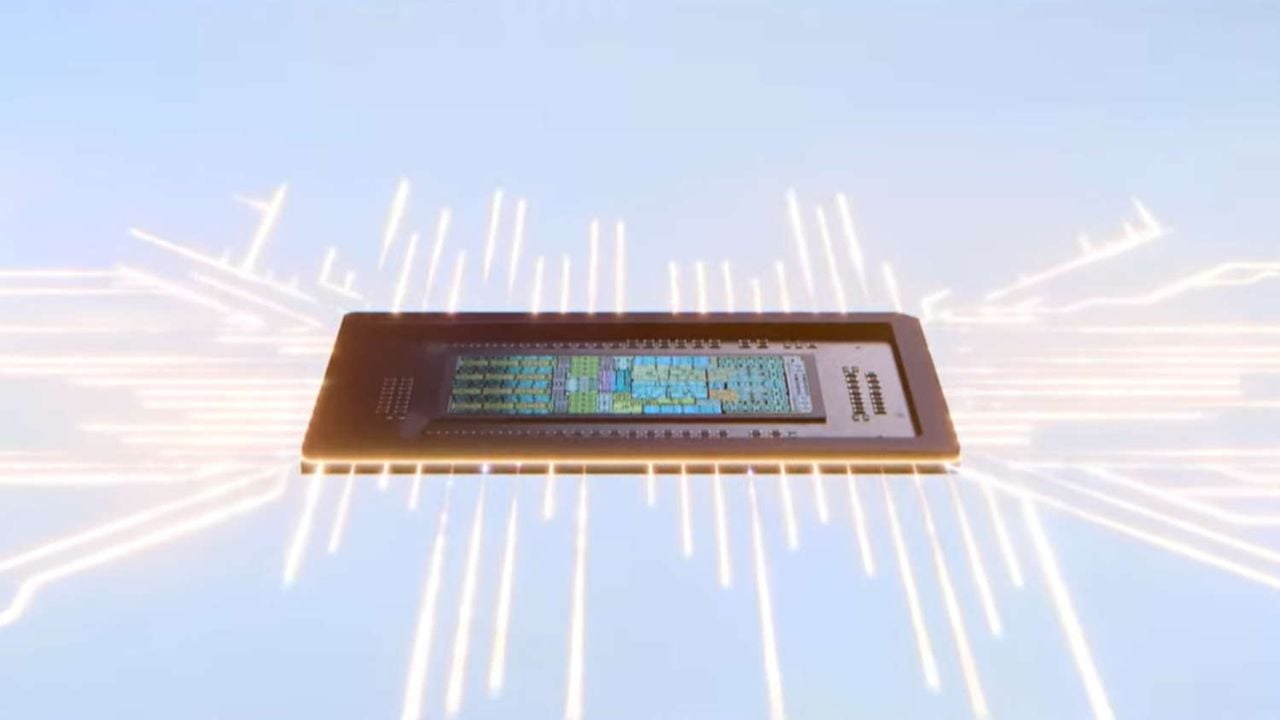
A hundred frames per second in Indiana Jones and the Great Circle, at 1440p, with ray tracing, running on a laptop thinner than most paperback novels. That's the pitch Nvidia made at Computex 2026 when it formally unveiled RTX Spark, an Arm-based system-on-chip that combines a Blackwell RTX GPU and a 20-core Grace CPU into a single package designed for ultra-thin laptops and mini PCs.
The spec sheet backs up the ambition. RTX Spark packs 6,144 CUDA cores, fifth-generation Tensor Cores with FP4 precision, and up to 128GB of unified LPDDR5x memory, all connected via Nvidia's NVLink-C2C chip-to-chip interconnect. The Grace CPU was co-developed with MediaTek. According to Nvidia's press release, the chip can render 90GB 3D scenes, edit 12K video, run 120-billion-parameter AI models, and play AAA games at 1440p north of 100fps with DLSS and Reflex enabled. If even half of that holds up in real-world testing, this is the most interesting thing to happen to gaming laptops in years.
Nvidia CEO Jensen Huang framed it as a reinvention of the PC itself. "For forty years, you launched apps. Click. Type. With RTX Spark and Microsoft Windows, you ask, and the PC does the work," Huang said during the keynote. The AI pitch is heavy, but the gaming angle is what caught my attention. Being Arm-based means existing x86 Windows software will run through emulation, something Microsoft has spent years preparing for. Product marketing lead Mark Aevermann told press that gaming battery life "should be much better than anything you've seen before on RTX laptops," though he stopped short of specific numbers, noting it depends on frame rate targets, game settings, and battery capacity.
Alongside RTX Spark, Nvidia announced DLSS 4.5 Ray Reconstruction, featuring a second-generation transformer model arriving in August. Nvidia claims 35% more compute capability and 20% more parameters processed while maintaining similar performance to the current version. It's coming to Blender 5.3 and "dozens of games," with developers like Remedy Entertainment, Riot Games, KRAFTON, and NetEase already on board.
Over 30 laptops and 10 desktops using RTX Spark are in the pipeline. Confirmed models include the ASUS ProArt P14 and P16, Dell XPS 16, HP OmniBook X 14, Lenovo Yoga Pro 9i, Microsoft Surface Laptop Ultra, and MSI Prestige N16 Flip AI+, with the first wave launching this fall and Acer and Gigabyte following later.
Stay on top of every update — find all the latest patch notes and gaming news at XP Gained. Join our Discord for live patch note alerts and discussion.
Written by
Nathan LeesGaming journalist and founder of XP Gained. Covering patch notes, breaking news, and updates across 160+ games.
Related Posts

Nvidia CEO Tells DLSS 5 Critics They're 'Completely Wrong'
Jensen Huang's response to widespread DLSS 5 criticism wasn't a clarification or a concession. It was a dismissal, and that's the problem.
Physint Moves to Xbox as PlayStation Steps Away
Xbox is Kojima Productions' new partner on Physint. PlayStation Studios says it has stepped away, Kojima says he was told in mid-June the project would be cancelled, and development is continuing.

The Witcher 4 Is Targeting a 2028 Release Window
CD Projekt Red has given The Witcher 4 its first release window. Joint-CEO Michał Nowakowski is targeting 2028, with no exact date and no showing at Gamescom 2026.