Nintendo Pulls a Zuckerberg, Drops 'My' From Its Store
From May 27, My Nintendo Store becomes Nintendo Store. Nintendo leaned into The Social Network meme to break the news, and honestly, it might be the most personality the storefront has ever shown.
"Drop the 'My.' It's cleaner." That's the energy Nintendo of America brought to X today, announcing that My Nintendo Store will be rebranded to simply Nintendo Store starting May 27. The company didn't just confirm the change; it invoked the famous Social Network scene where Justin Timberlake's Sean Parker tells Zuckerberg to lose "The" from "The Facebook." It's a rare moment of self-aware humour from a company that usually communicates with the warmth of a legal filing.
The UK Nintendo Store account posted the announcement alongside confirmation that "there will be no change to the service or products." Regional accounts in Japan, Germany, Australia, Spain, and Korea all followed with the same message. So this is a global rebrand, not a regional quirk.
Here's where the contrast gets interesting: Nintendo is treating this like news, but the rebrand was effectively already done. The Nintendo Store app launched last year without the "My" prefix, meaning the company has been running two different names for the same ecosystem for months. This announcement is less of a pivot and more of a cleanup. I'm mildly impressed they turned housekeeping into a meme, though. Most companies would have buried this in a footnote on a support page.
What Actually Changes
Nothing. Seriously. The store itself keeps selling the same hardware, the same games, the same accessories. You can still spend Platinum Points on wallpapers and in-game items. The My Nintendo loyalty program isn't being renamed or restructured, so the "My" branding isn't disappearing entirely from Nintendo's ecosystem. It's just leaving the storefront.
If you've been a Nintendo customer for any length of time, you probably never called it "My Nintendo Store" anyway. Most people still say "eShop" out of habit, a name Nintendo retired when it overhauled the store in February 2022. The My Nintendo Store branding was designed to tie into the My Nintendo loyalty program that launched back in March 2016 alongside Miitomo, a mobile app that feels like it existed in a different geological era.
The timing is worth thinking about, though. Nintendo is weeks away from the Switch 2 launch window, and cleaning up branding inconsistencies before a new generation of buyers floods in makes sense. You don't want a new customer downloading the "Nintendo Store" app and then landing on a website called "My Nintendo Store" and wondering if they're in the right place. It's a small thing, but small things add up when you're onboarding millions of people onto new hardware.
I'll give Nintendo this: the Social Network bit landed. It's a four-year-old meme template at this point, but it fits perfectly, and it got people talking about what would otherwise be the most forgettable rebrand in gaming. The change goes live on May 27 across all regions.
Stay on top of every update — find all the latest patch notes and gaming news at XP Gained. Join our Discord for live patch note alerts and discussion.
Written by
Nathan LeesGaming journalist and founder of XP Gained. Covering patch notes, breaking news, and updates across 160+ games.
Related Posts
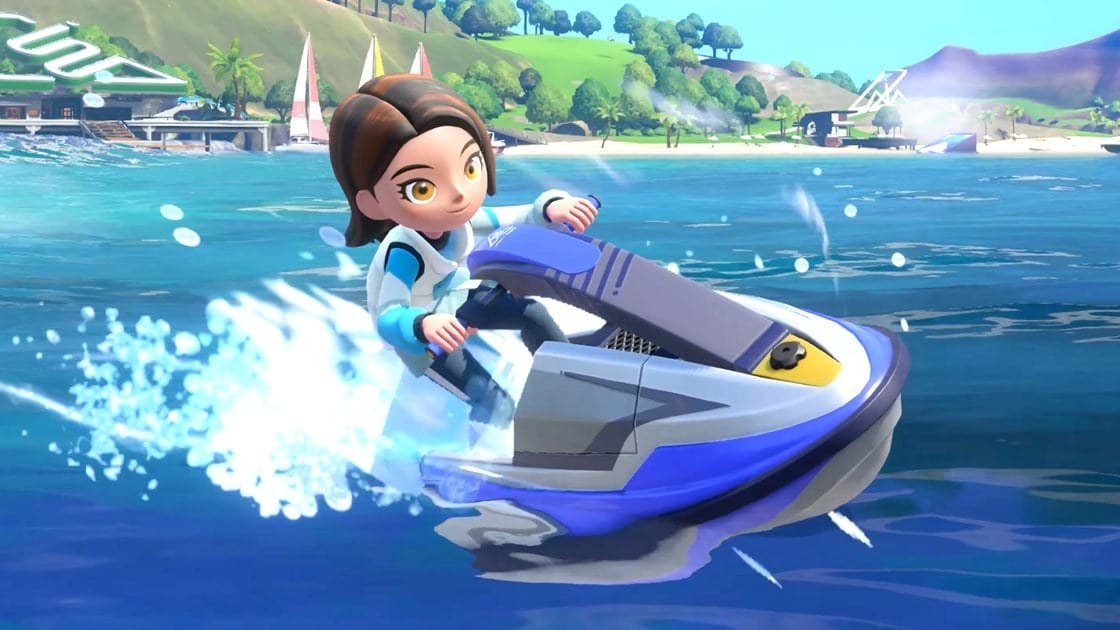
Thumb Wrestling? Switch Sports Resort Unveiled for Oct.
Nintendo announced Switch Sports Resort during today's Direct, bringing 12 sports to Switch 2 this October. Skateboarding and prop plane flying are in. So is thumb wrestling, apparently.

117GB Free Trial: FF14 Lands on Switch 2 With a Catch
Final Fantasy 14's generous free trial arrives on Switch 2, but the 117GB download eats nearly half the console's internal storage. Square Enix is already working on a fix for long load times.
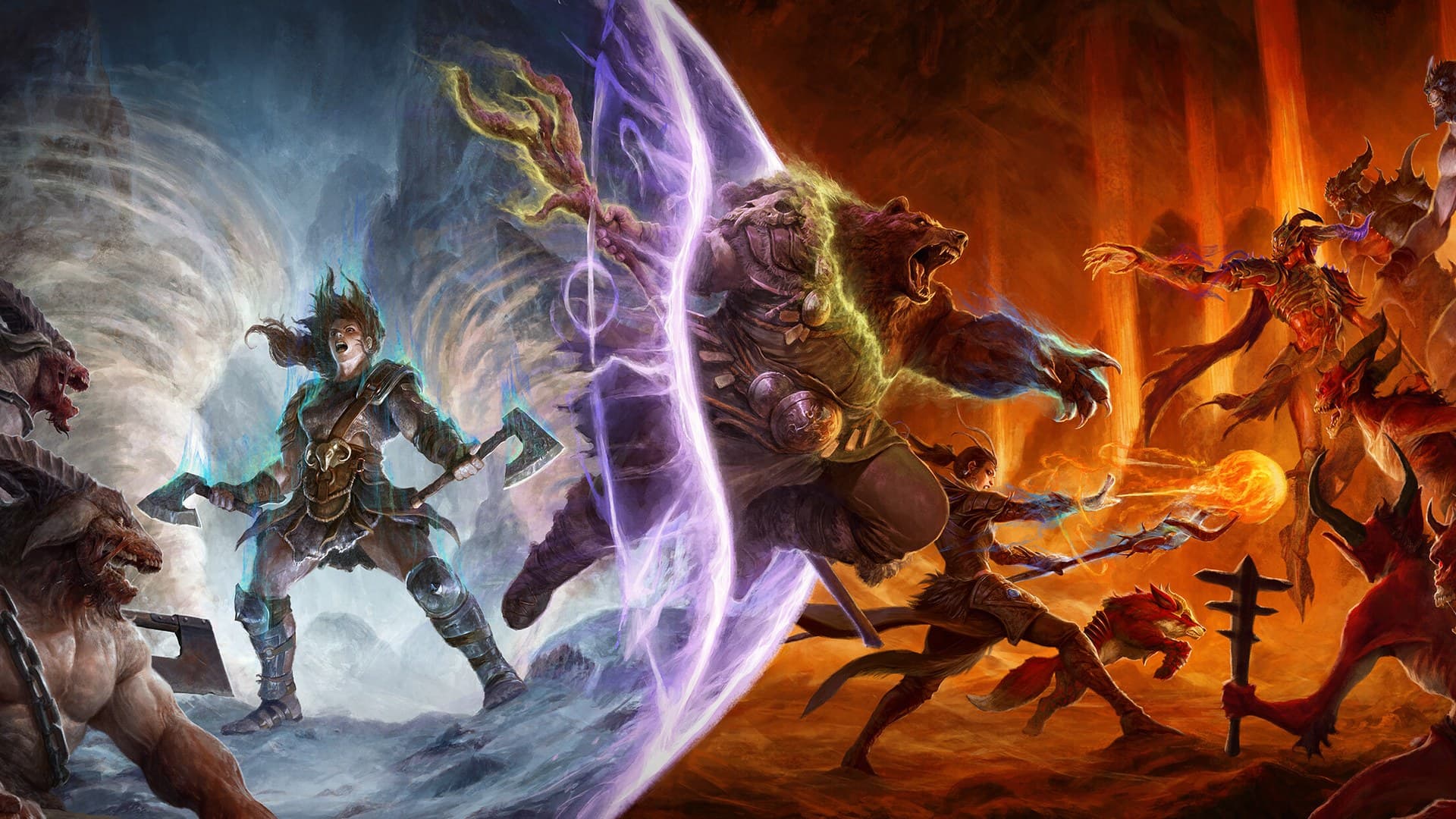
Diablo 4's Switch 2 Port Is a $70 Code in a Box
Blizzard's action-RPG is reportedly coming to Switch 2 in mid-September, but the physical version won't even include a cartridge. You're paying $70 for a box with a download code inside.