Tencent Axes GTA Rival After Playtesters Called It Not Fun
Last Sentinel was supposed to be Tencent's answer to Grand Theft Auto. After six years, hundreds of millions of dollars, and a playtest that bombed, the verdict was brutal: it just wasn't fun.
"This story is a middle finger to tropes. This takes everything you're expecting from a typical action adventure story and says, 'No, this one's different.'"
That was Troy Baker, who served as performance director on Last Sentinel, speaking in one of the game's development diaries last year. It was a bold claim for a project that, at the time, still hadn't shown a single frame of gameplay. Now we know why.
According to a report from Bloomberg's Jason Schreier, Tencent has effectively pulled the plug on Last Sentinel after six years of development and a budget that ballooned into the hundreds of millions. The decision came earlier this week following a final internal review, and it triggered the layoff of roughly 80 developers at Lightspeed LA, the Irvine, California-based studio behind the project. The game was pitched as Tencent's answer to Grand Theft Auto: a cyberpunk open-world crime game set in a sci-fi reimagining of Tokyo, featuring a female protagonist and the kind of freeform sandbox gameplay Rockstar has spent decades perfecting.
It never got close.
"Simply not fun"
The killing blow landed months before the final review. Earlier this year, Lightspeed LA organized a playtest that generated what Schreier's reporting describes as near-unanimous negative feedback. Testers called the game simply not fun to play. After years of work and a budget most studios will never see, the most damning verdict possible was also the simplest one. Tencent's Chinese executives gave the studio an ultimatum: deliver a substantially improved build by July, or the project dies.
Lightspeed LA scrambled. The studio brought in Todd Papy, a creative director known for his work on the God of War series, to help overhaul combat, missions, and core systems in the project's final three months. As WCCFtech reported, the extra work helped, but Last Sentinel still didn't hit the quality bar Tencent expected from something pitched as a GTA competitor. On July 28, studio founder Steve Martin told employees that Tencent was no longer moving forward with the project.
I've seen this pattern before, and it almost always traces back to the same root problem: ambition without infrastructure. Lightspeed LA was a brand new studio with a team numbering in the hundreds, trying to build something that took Rockstar roughly 2,000 people to achieve with Red Dead Redemption 2. Martin, a 14-year Rockstar veteran who previously ran the San Diego office, assembled a roster of talent poached from Naughty Dog, Blizzard, and Rockstar itself during the pandemic-era hiring boom, reportedly offering six-figure salaries to compete with nearby studios like Riot and Amazon. The pedigree was real. But pedigree doesn't ship games.
Schreier's report paints a picture of a project plagued by a lack of clear creative vision, slow decision-making, and a polarizing management style from Martin. Multiple deadlines slipped. Budgets were blown through. Last Sentinel received a glossy cinematic reveal at The Game Awards 2023, but updates dried up almost completely afterward. The development diaries posted last year turned out to be hype reels with no actual gameplay, something commenters picked up on immediately.
Tencent's AAA retreat
Tencent's official statement tries to leave the door open. "Lightspeed LA remains open and continues to build games," a spokesperson told Bloomberg, adding that the company plans "to shift the creative and development direction of Last Sentinel to meet player expectations." I wouldn't hold my breath. When a company lays off 80 people and says it's "not moving forward" with a project, calling it a creative pivot is corporate language for cancellation without the press release.
This isn't an isolated failure for Tencent's Western AAA ambitions. TiMi Montreal, another Tencent-funded studio, closed earlier this year without ever shipping a game. Team Kaiju, TiMi's L.A.-based outfit staffed by former Halo and Battlefield leads, shut down back in 2023. As Kotaku's Ethan Gach noted, the collapse fits a broader pattern of pandemic-era projects that were incubated during the boom and have since quietly disappeared. MindsEye, another would-be GTA rival, became the worst-rated game of 2025.
The lesson here isn't complicated. You can't buy your way into being Rockstar. You can hire Rockstar's people, spend Rockstar's kind of money, and aim at Rockstar's audience, but if the game isn't fun to play, none of it matters. Hundreds of millions of dollars, six years of development, and a roster of industry veterans couldn't overcome that single, brutal verdict from playtesters. With GTA 6 on the horizon, Last Sentinel was always going to face an impossible comparison, but it never even got far enough to be compared.
Stay on top of every update — find all the latest patch notes and gaming news at XP Gained. Join our Discord for live patch note alerts and discussion.
Written by
Nathan LeesGaming journalist and founder of XP Gained. Covering patch notes, breaking news, and updates across 160+ games.
Related Posts
Physint Moves to Xbox as PlayStation Steps Away
Xbox is Kojima Productions' new partner on Physint. PlayStation Studios says it has stepped away, Kojima says he was told in mid-June the project would be cancelled, and development is continuing.
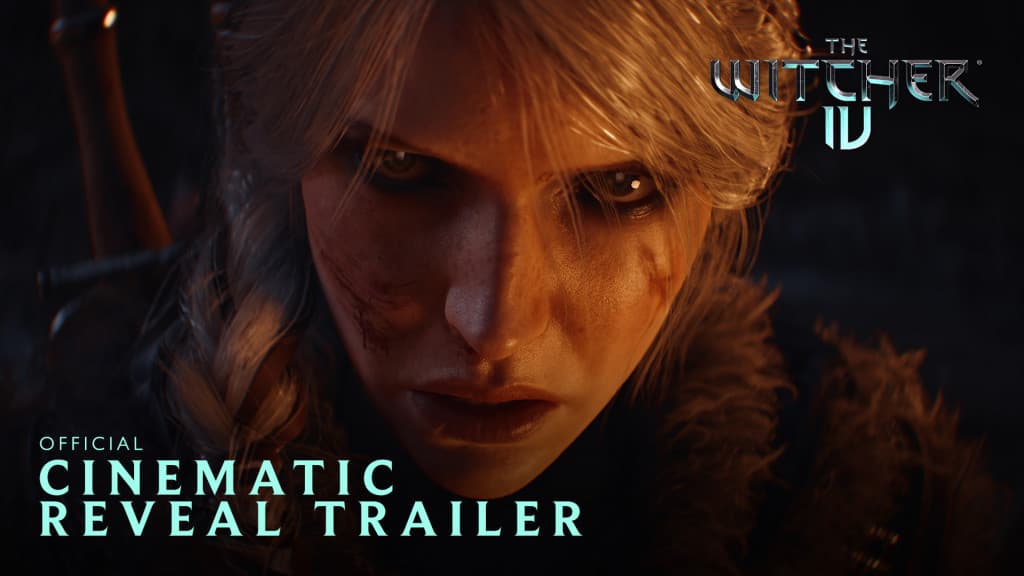
The Witcher 4 Is Targeting a 2028 Release Window
CD Projekt Red has given The Witcher 4 its first release window. Joint-CEO Michał Nowakowski is targeting 2028, with no exact date and no showing at Gamescom 2026.
PlayStation Blackout Day Two: The Digital Ownership Record
PlayStation owners boycotting the PS Store entered day two with organisers extending the protest indefinitely, and no new answer from Sony.