EA Renewed Ultima Trademarks. Garriott Fires Back.
EA quietly filed new Ultima trademarks. Richard Garriott responded by announcing he'll reclaim the series' copyright next year under a 35-year rule in US law.
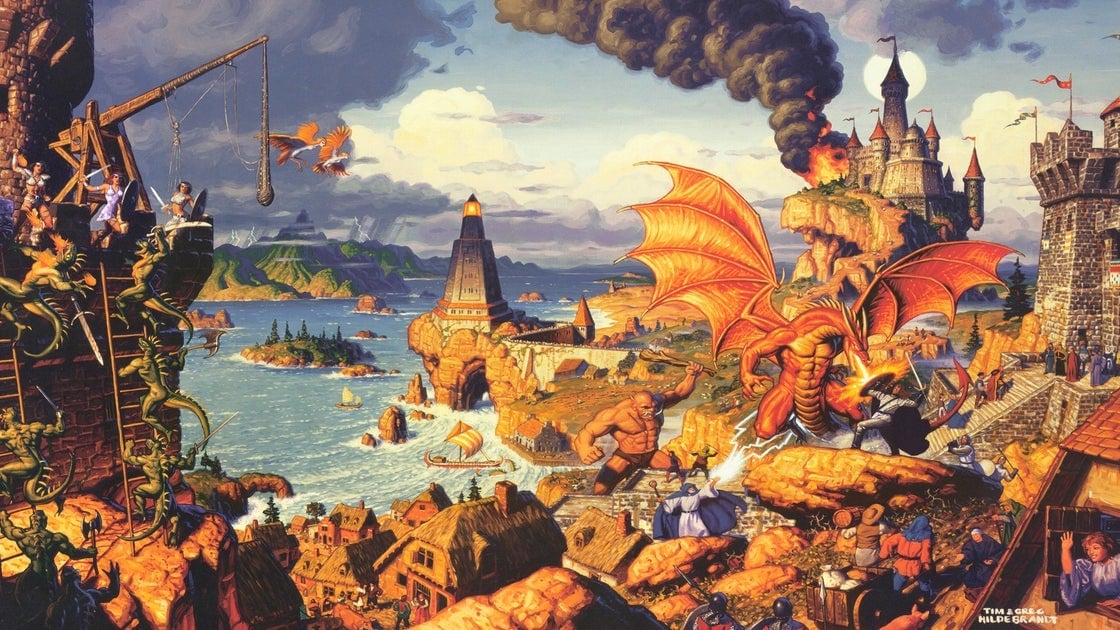
"Every decade or so, I tried to work with EA on a revival of Ultima. They always seemed interested enough to start talking, then abandoned talks just as quickly." That's Richard Garriott, the man who created one of PC gaming's most influential RPG series, explaining decades of frustration with the publisher that's been sitting on his life's work since 1992.
The quote came after EA filed two new trademarks for Ultima earlier this week, one for an online computer game and another for a downloadable video game. YouTube channel Inside Games' Brian Gaar reached out to Garriott to ask what he knew about the filings. Garriott's response wasn't about the trademarks. It was about what comes next.
Garriott says he plans to reclaim the copyright to his original Ultima work in 2027, using Section 203 of US copyright law, which allows creators or their heirs to terminate a copyright transfer after 35 years. Garriott sold developer Origin Systems to EA in 1992. Do the maths. "And so, I have been waiting… finally, the time has come!"
Copyright vs. Trademark
Here's where it gets complicated, and where I think a lot of people are going to misread this story. Copyright and trademark are not the same thing. Garriott reclaiming the copyright would give him back the source code, audiovisual elements, and creative expression of his original games. EA would still own the Ultima trademark, meaning Garriott can't just ship a box that says "Ultima" on it. He seems aware of this. "'Lord British's Ultima' will regain all the copyrights of my original work," Garriott told Inside Games. "What it will become is the next challenge."
So we're looking at a scenario where EA owns the name and Garriott owns the creative DNA. I can't think of many precedents for that kind of split in gaming, and it sets up a strange dynamic. EA could theoretically make a game called Ultima that has nothing to do with the original games' code or design, while Garriott could make a spiritual successor using his original work but under a different banner. Whether either of them actually does anything with that power is another question entirely.
The timing of EA's trademark filings is interesting. Companies file trademark renewals routinely to keep their IP portfolio intact, and reading too much into the specific timing is a trap. But filing new trademarks in two distinct classes, for an online game and a downloadable game, right as the 35-year copyright window opens? That's at least a raised eyebrow.
Garriott hasn't laid out concrete plans yet. He says he'll have "more thoughts together" by September, when he's scheduled to appear at this year's DragonCon as a guest. As reported by MassivelyOP, Garriott was making similar noises back in 2024, calling himself "honestly hopeful" about regaining control. Two years later, he's moved from hopeful to citing specific legal mechanisms, which suggests this is more than wishful thinking.
I should be excited about this, and part of me is. Ultima's influence on PC RPGs is enormous. Larian has cited Ultima 7 as a direct inspiration for Divinity: Original Sin and Baldur's Gate 3. Ultima Underworld helped birth the immersive sim. Ultima Online was one of the foundational MMOs. If there was ever a franchise that deserved a proper revival rather than the mobile cash-ins EA tried with Lord of Ultima in 2010 and Ultima Forever in 2013, this is it.
But Garriott's track record since leaving EA hasn't been spotless. MassivelyOP's coverage is blunt about this: Shroud of the Avatar, his Kickstarted spiritual successor to Ultima, was criticised for cut features, excessive crowdfunding, and corporate opacity. Garriott's company sold the game to its lead developer in 2019 and largely walked away. The game still has a tiny playerbase and receives minimal updates. After that, Garriott attached his name to an NFT game that reportedly vanished. None of that erases what he built with Ultima, but it does mean the "Lord British returns" narrative needs some asterisks.
EA, meanwhile, still operates Ultima Online through developer Broadsword, and the MMO continues to receive updates. It's hard to imagine EA simply letting the copyright revert without a fight, especially if they're actively filing new trademarks. Whether Garriott's legal path is as clean as he's presenting it, or whether EA contests the reversion, could determine whether this stays a feel-good creator story or turns into a prolonged legal battle.
Garriott plans to share more at DragonCon in September. EA has not publicly commented on either the trademark filings or Garriott's copyright claims.
Stay on top of every update — find all the latest patch notes and gaming news at XP Gained. Join our Discord for live patch note alerts and discussion.
Written by
Nathan LeesGaming journalist and founder of XP Gained. Covering patch notes, breaking news, and updates across 160+ games.
Related Posts
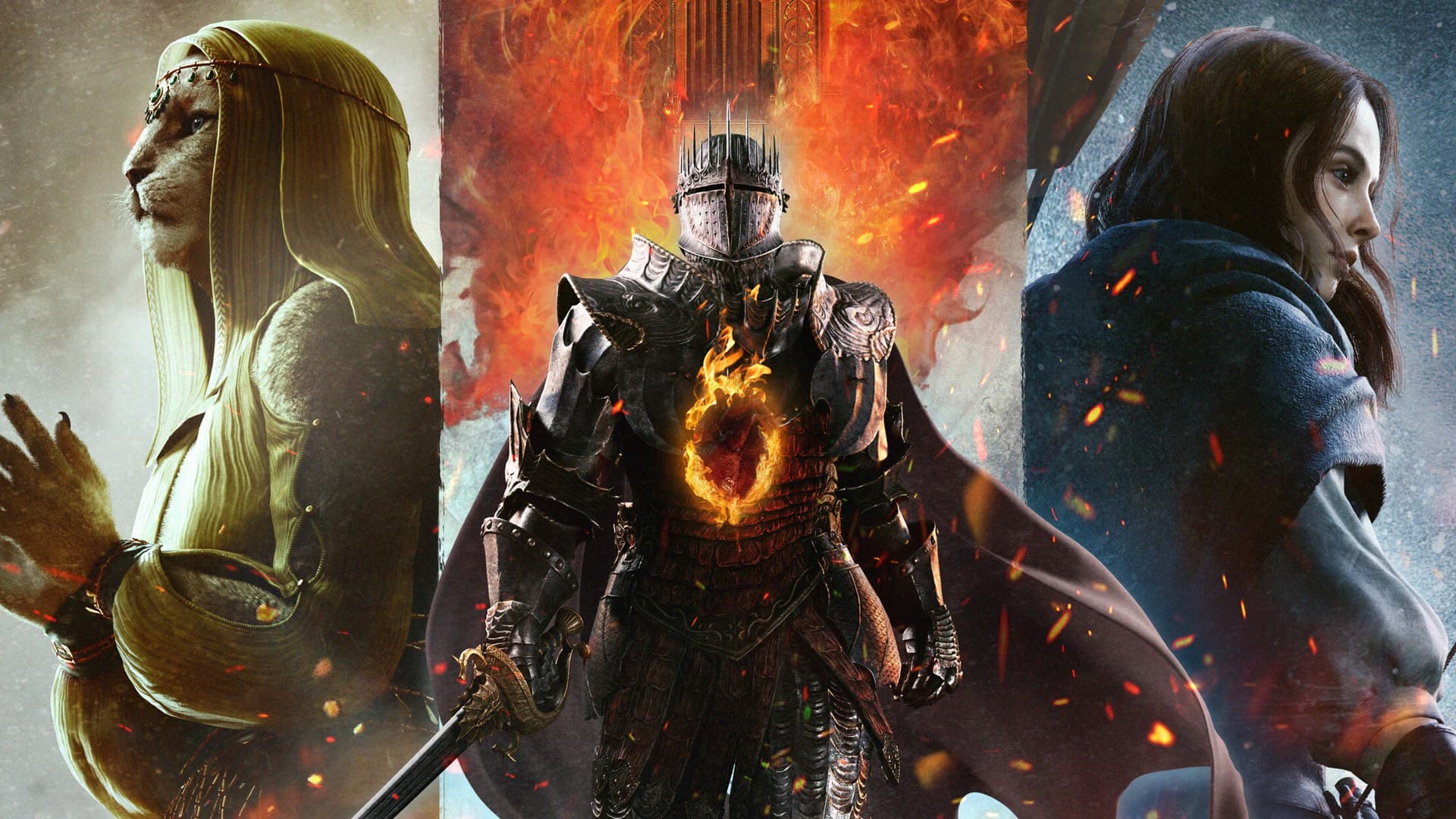
Hit the Level Cap? Dragon's Dogma 2 Hard Mode Is Real
Capcom has confirmed a hard mode is in development for Dragon's Dogma 2, designed to challenge players who've hit or are approaching the level cap. The news dropped alongside a trove of details about the Dark Arisen expansion.
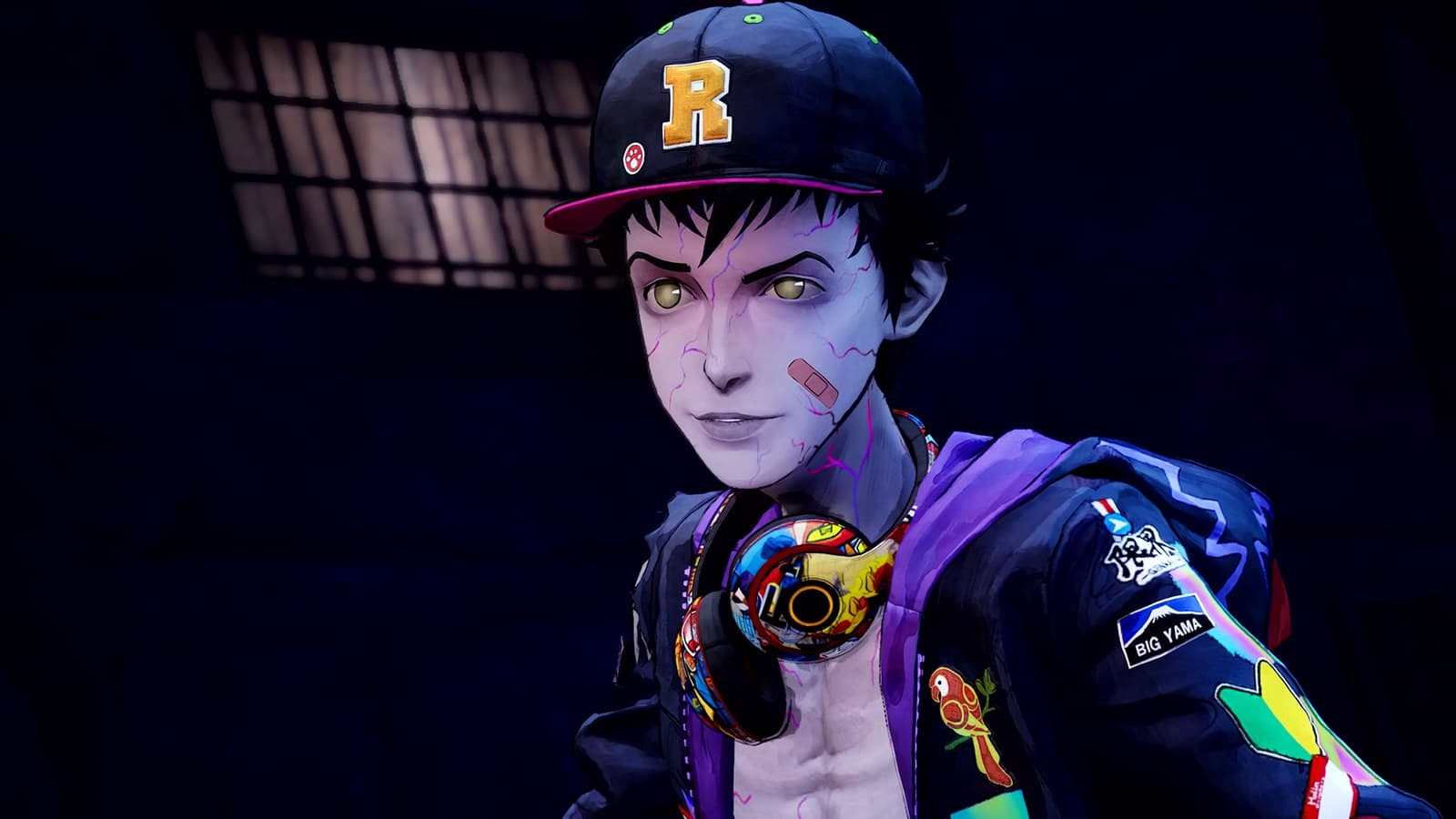
Stupid Never Dies Locks In October Launch with Sega
GPTRACK50's debut action RPG has a date, a price, and a co-publishing deal with Sega. It's landing right in the middle of October's brutal release window.
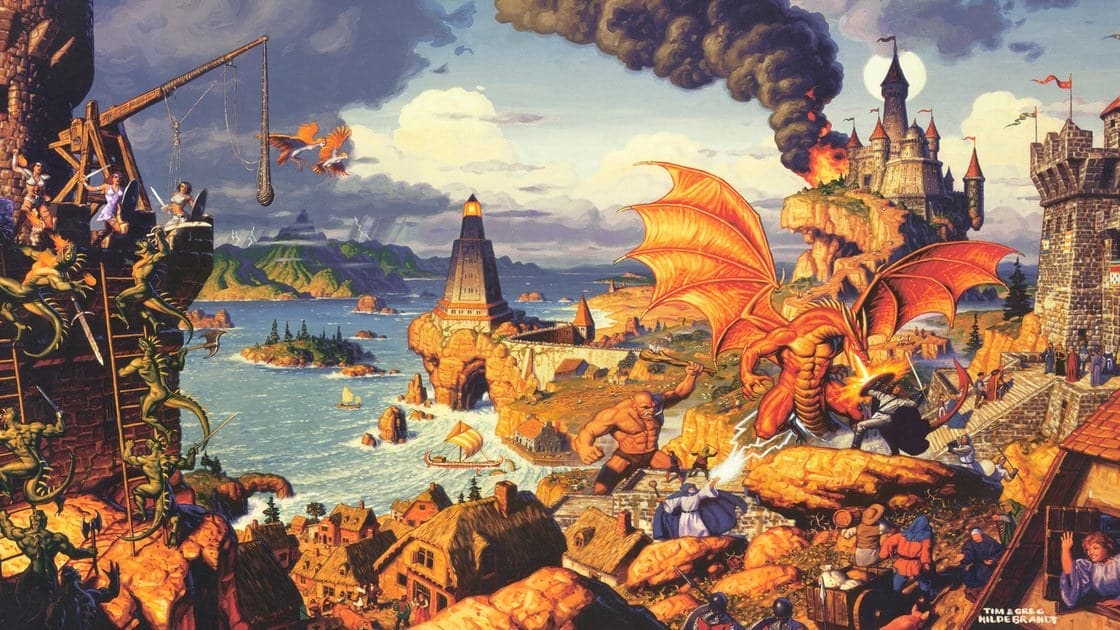
35 Years Later, Lord British Is Taking Ultima Back
Richard "Lord British" Garriott says he's finally reclaiming the copyright to his legendary RPG series from EA, thanks to a decades-old provision in US copyright law.