Dragon Age Vet Says Live Service Is Killing Entire Genres
Mark Darrah, who spent 23 years at BioWare and produced the Dragon Age series, argues the industry's dependence on microtransactions is strangling genre diversity and suggests games should borrow revenue models from Hollywood.
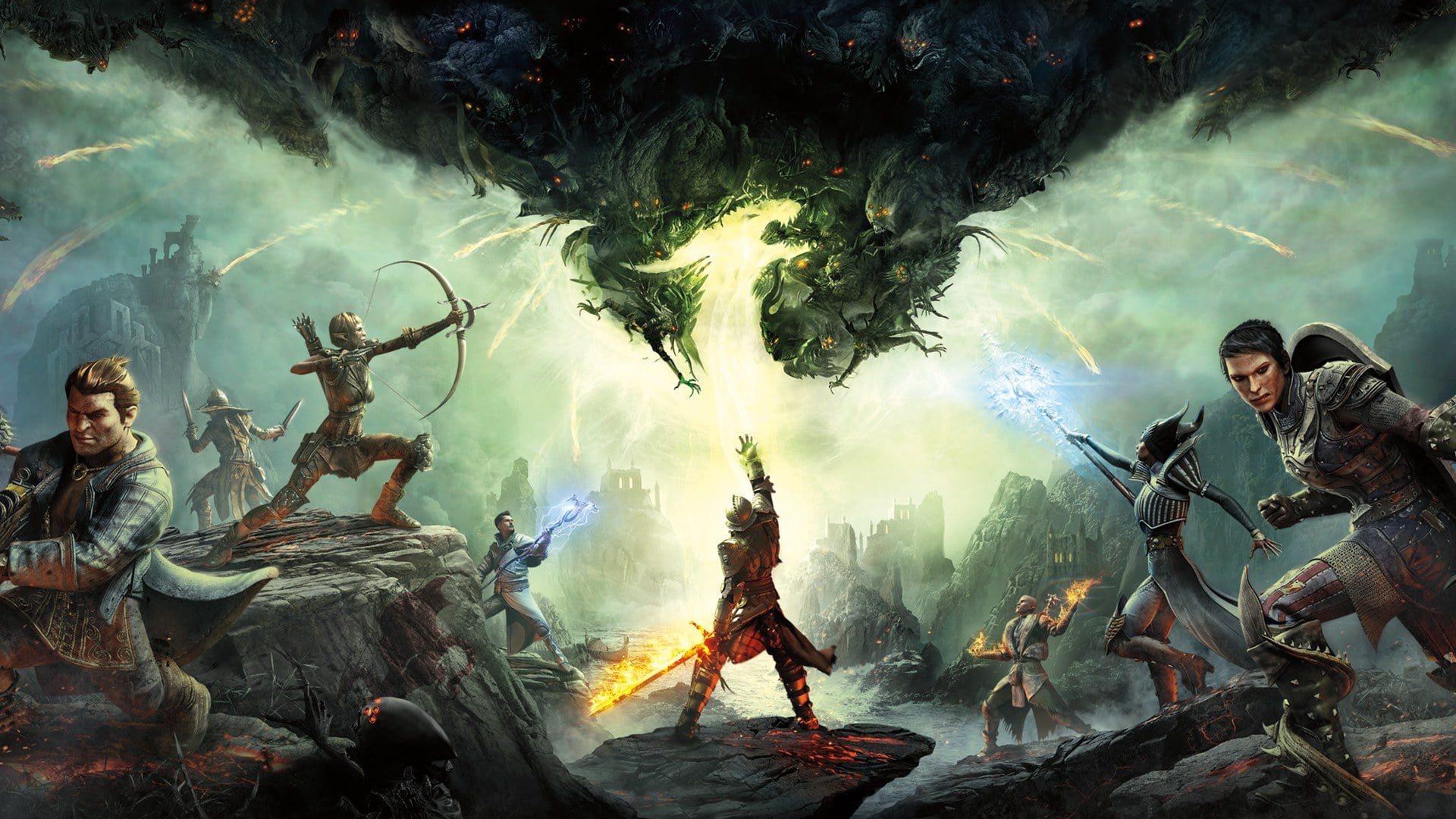
"Everything can't be a live service, as we've, I hope, proven pretty definitively over the last year and a half."
That's Mark Darrah, a 23-year BioWare veteran and executive producer on the Dragon Age series, laying out what should be obvious to every publisher in the industry but apparently still isn't. In a video posted to his personal YouTube channel, Darrah argued that the games industry's over-reliance on live-service monetization is actively preventing certain genres from existing at the AAA level, and that studios should start looking at how Hollywood funds its projects if they want to break the cycle.
Darrah's core argument is simple. Movies make money in layers: theatrical runs, then digital rental, then streaming licensing, plus product placement deals that can sometimes cover an entire production budget. He claimed the live-action Smurfs movie paid for itself entirely through product placement before it ever sold a single ticket. Games, by contrast, get one shot at retail and then lean on microtransactions, season passes, and DLC to extend their revenue window. If you're a free-to-play title, that model can print money. If you're a single-player RPG or a survival horror game or anything that doesn't naturally support an engagement treadmill, you're increasingly being told your genre isn't worth funding.
The Perverse Incentive Problem
Darrah didn't stop at criticizing microtransactions. He also took aim at how subscription services like Xbox Game Pass compensate developers, noting that some payment structures are tied to engagement metrics like the number of days a player logs in. "I can design my game to optimize for that, even though it might make the experience for the player worse," he said. "Even though it might cause people to turn out of my game sooner, to enjoy my game less, to play it for less total minutes, I can optimize to push up the number that I'm being measured against."
He compared this directly to the live-service microtransaction model, calling it "entirely designed around putting monetization ahead of player experience in order to make more money." His proposed alternative? Product placement and rethinking how games rotate through subscription services, more like how movies cycle on and off Netflix rather than sitting there permanently.
I think Darrah is identifying the right disease even if his prescription is a bit underdeveloped. He admitted as much himself: "Do I have a great model? I don't. Not yet." Product placement in games is a tricky sell. It works in sports titles and racing games where real brands already exist in the world, but try dropping a Coca-Cola billboard into a Dragon Age sequel and you've got a different problem entirely. The idea of games leaving subscription services and returning at different price points has more legs, and it's something the industry hasn't really experimented with in any serious way.
Where Darrah is absolutely right, though, is on the genre extinction point. Look at what's happened over the past 18 months. Studios have chased the live-service model, failed spectacularly, and then shut down. Highguard went from being the final game featured at the 2025 Game Awards to launching and shutting down within three months. Epic Games laid off over 1,000 people and killed several Fortnite modes. The graveyard of failed live-service projects keeps growing, and every one of those failures represents resources that could have funded a different kind of game.
Who This Hits Hardest
The genres most at risk are the ones I care about most, and I suspect a lot of you feel the same way. Single-player horror, narrative RPGs, immersive sims, experimental action games. These are categories where the best entries sell millions of copies and generate enormous goodwill, but they don't produce recurring revenue streams that satisfy quarterly earnings calls. When every dollar of development funding has to justify itself against the potential returns of a live-service model, a 20-hour horror game with no multiplayer component starts looking like a bad investment to the people writing checks.
Darrah's warning carries weight because he's not some indie dev shouting from the outside. He was deep inside the AAA machine for over two decades. He watched BioWare pivot from the studio that made Baldur's Gate and Knights of the Old Republic into the studio that shipped Anthem. He's seen what happens when the monetization tail wags the creative dog.
The frustrating part is that none of this is new information. Players have been saying it for years. Developers have been saying it privately for longer. But hearing it stated this plainly by someone with Darrah's credentials, someone who produced one of the biggest RPG franchises in gaming history, might carry enough weight to shift the conversation. The industry shipped 2025 and early 2026 with a string of live-service collapses that should have been the wake-up call. If publishers still aren't listening, the AAA space is going to keep narrowing until the only games left with big budgets are the ones designed to sell you a battle pass every three months.
Sources
Stay on top of every update — find all the latest patch notes and gaming news at XP Gained. Join our Discord for live patch note alerts and discussion.
Written by
Nathan LeesGaming journalist and founder of XP Gained. Covering patch notes, breaking news, and updates across 160+ games.
Related Posts
Why No One at EA Can Even Pitch a New Dragon Age
Former Dragon Age producer Mark Darrah says EA's internal politics mean no one can realistically pitch a new entry, even if they wanted to.
The Smurfs Movie Cost Nothing. Games Should Copy That.
Former BioWare executive producer Mark Darrah thinks the games industry should look at how movies fund themselves, and the Smurfs example is wilder than you'd expect.
Anthem Died in 2 Years. Inquisition's PS3 Lasted 11.
EA is closing Dragon Age: Inquisition's PS3 servers on April 28, more than 11 years after launch, quietly outlasting BioWare's ambitious live-service bet by nearly a decade.