Why a Butch Lesbian Had No Real Choice in BG3
Baldur's Gate 3 is rightly praised for its queer representation, but one writer's experience reveals how the game's romance options still assume lesbian desire mirrors straight male attraction.
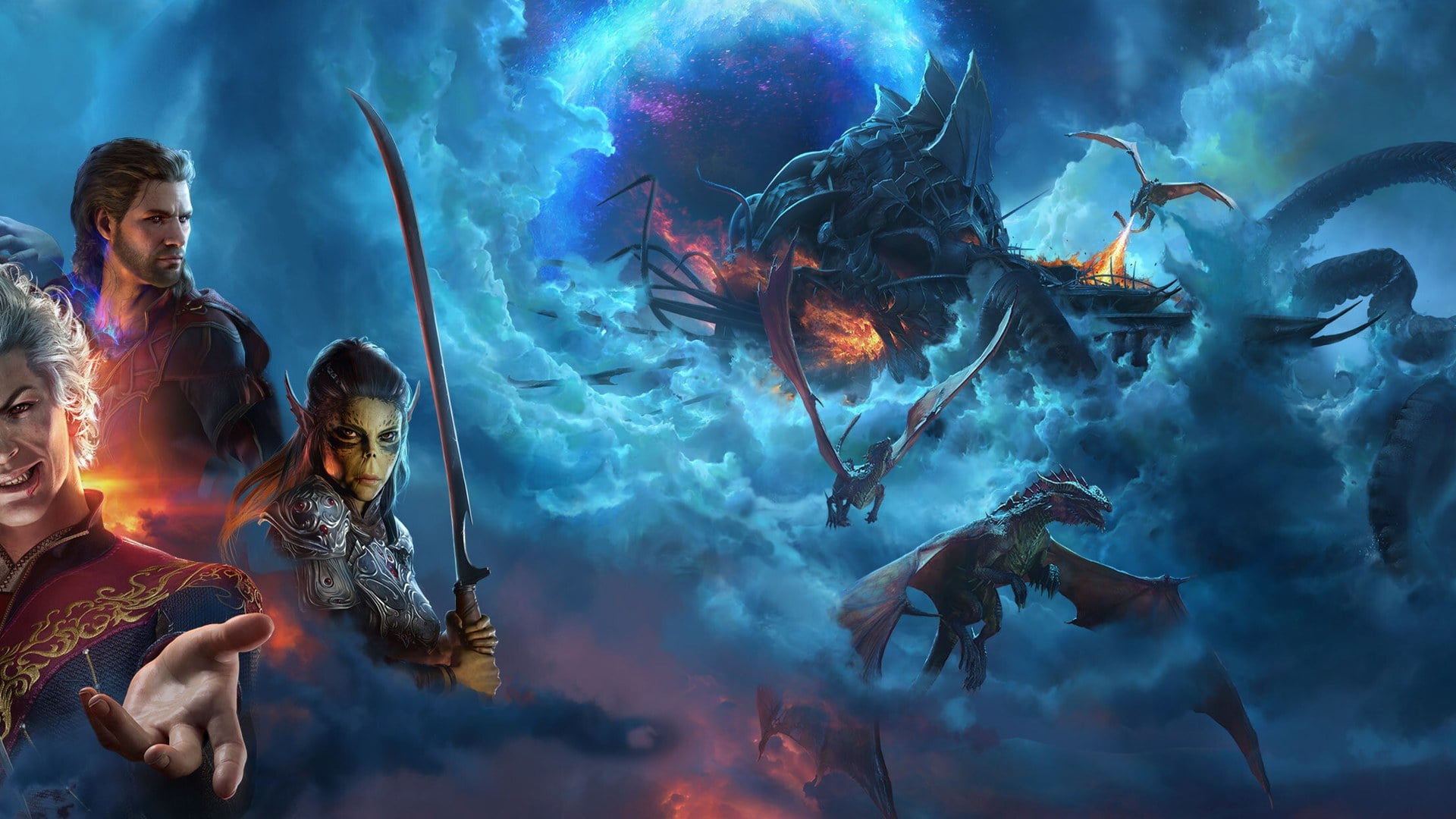
Shadowheart is the most popular romance in Baldur's Gate 3, and also the one that gets you mocked. She's conventionally attractive, stereotypically feminine, and widely considered the "basic" pick. For straight men, she's the default. For writer Caelyn Ellis, a butch trans lesbian, she was the only option left standing.
In a personal essay published during Eurogamer's Pride Week, Ellis walks through the process of elimination that led her to Shadowheart. Male companions? Out. Minthara? Too much of a domme, and incompatible for someone on the same side of that dynamic. Lae'zel? Same problem. Karlach? Ellis adores her, but sees too much of herself in the big, leather-wearing softy to find the romance anything but strange. "Who's left? Shadowheart," she writes. The romance wasn't a choice so much as a lack of alternatives.
Ellis's argument isn't that Larian Studios failed, exactly. She's clear that not every game can cater to everyone equally. Her point is sharper than that: video games broadly assume lesbian desire maps neatly onto straight male desire. The women designed to be attractive to men are the same women positioned as romantic options for women, and the result is a system where a butch lesbian player can look at a full roster of romanceable characters and find nobody who reflects how she actually experiences attraction. I think she's right, and it's a blind spot that persists even in games that are otherwise doing more for queer representation than almost anything else in the AAA space.
Separately, a Polygon piece by staff writer also took aim at BG3's romance system from a different angle, arguing that the approval-based companion relationships function more like "conquests" than real emotional arcs. The writer compared Larian's approach unfavourably to BioWare's Viconia romance in Baldur's Gate 2, where the relationship was slow, difficult, and structurally tied to the character's growth. In BG3, the argument goes, companions change regardless of whether you're romancing them.
Neither critique diminishes what Larian built. Baldur's Gate 3 remains one of the most ambitious RPGs ever shipped, and its queer representation is leagues ahead of most competitors. But Ellis's essay in particular highlights something the industry still hasn't reckoned with: representation extends beyond who you can kiss. It's about whether the game understands why you'd want to.
Stay on top of every update — find all the latest patch notes and gaming news at XP Gained. Join our Discord for live patch note alerts and discussion.
Written by
Nathan LeesGaming journalist and founder of XP Gained. Covering patch notes, breaking news, and updates across 160+ games.
Related Posts

BG3 Devs Banned on YouTube for Playing Their Own Game
Larian's official Dark Urge playthrough got pulled from YouTube and TikTok mid-stream after a steamy encounter with an incubus triggered platform nudity filters. The devs took it about as well as you'd expect.

Both Baldur's Gate 1 and 2 Reportedly Being Remade
It's not just Baldur's Gate 2. Reports suggest both classic BioWare RPGs are being remade, with original co-lead designer Kevin Martens back on the project.

Baldur's Gate 2 Remake Taps Its Original Co-Lead Designer
Kevin Martens, who co-led design on the original Baldur's Gate 2, is reportedly working on a full remake at Wizards of the Coast. A BG1 remake may also be in the works.