Go Wayback Killed by Its Own Creator's Empty Wallet
The man behind PUBG couldn't keep the lights on for his next game. PlayerUnknown Productions is laying off staff and making Go Wayback free after Brendan Greene ran out of money.
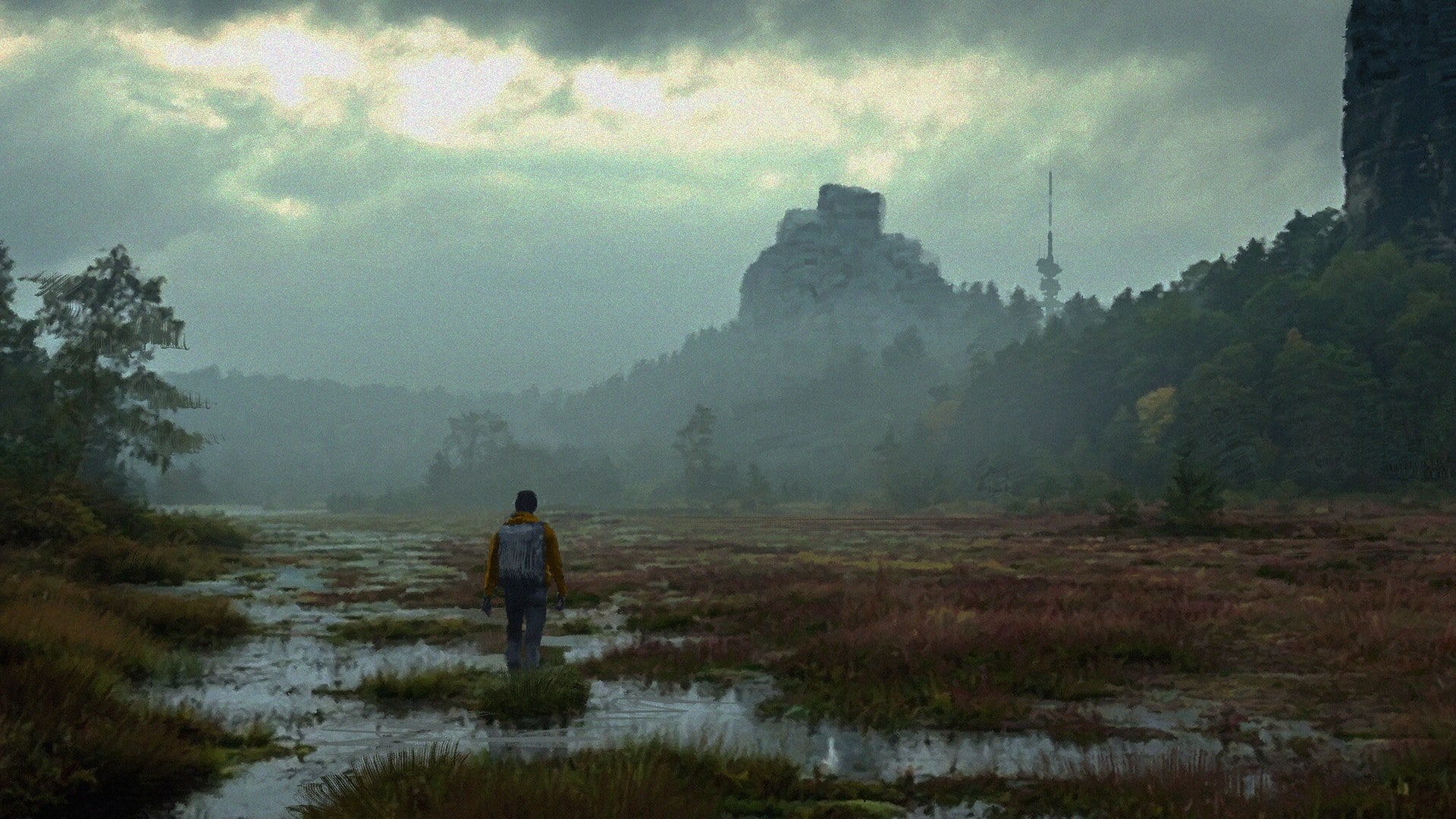
PUBG has sold over 70 million copies worldwide. That kind of money typically buys a studio decades of runway. But Brendan Greene, the man who helped popularize an entire genre, just announced he can no longer afford to fund his own passion project.
PlayerUnknown Productions is halting development of Prologue: Go Wayback, the single-player survival roguelike that launched into Early Access in November 2025. The studio is also laying off an undisclosed number of employees, restructuring around a smaller team that will continue work on its Melba terrain generation technology. Greene confirmed the news himself in a statement posted to the studio's X account, writing plainly: "Unfortunately I have reached the limits of how far I can continue to fund this journey in its current form."
There's absurd about that sentence. Greene didn't just make a popular game; he made one of the best-selling PC games of all time. He left Krafton in 2021 to build something new and independent, and the pitch was ambitious: procedurally generated Earth-scale worlds powered by machine learning, a tech-first approach to game development that prioritized research as much as gameplay. That ambition clearly burned through cash faster than even PUBG royalties could sustain. Krafton held a minority stake in the new venture, but it evidently wasn't enough to keep the full operation running. I respect Greene for swinging big rather than cashing in on a PUBG clone, but the result is a game that didn't even survive a full year in Early Access.
What Happens to the Game
PlayerUnknown Productions says it will release one final update for Go Wayback on Steam, adding new items, paths, and trails before pulling the game out of Early Access entirely and making it free. The studio is also "investigating" offering refunds to players who purchased the game on Steam and Epic Games Store, though the language is careful not to promise anything. More details are expected in the coming weeks via Steam and the studio's Discord.
Both statements leave the door open for a return to Go Wayback at some unspecified future date, but that a courtesy than a plan. The studio's remaining resources are going toward Melba, the underlying procedural world technology that was always the real project beneath the game. Greene had previously spoken about a follow-up called Artemis that would incorporate blockchain technology, though whether any of that survives this restructuring is anyone's guess.
The timing stings. Go Wayback launched in November 2025, meaning it lasted roughly seven months in Early Access before being effectively cancelled. Greene's priority, he says, is supporting the employees affected by the layoffs. Krafton, meanwhile, has had its own rough stretch with the IP that made Greene famous; the publisher shut down PUBG Blindspot in late March after less than two months in Early Access. Whatever magic Greene bottled with PUBG, neither he nor Krafton have been able to recapture it since.
Stay on top of every update — find all the latest patch notes and gaming news at XP Gained. Join our Discord for live patch note alerts and discussion.
Written by
Nathan LeesGaming journalist and founder of XP Gained. Covering patch notes, breaking news, and updates across 160+ games.
Related Posts
PUBG Creator Ran Out of Money for His Next Game
Brendan Greene helped popularize an entire genre with PUBG. Now he says he's hit the financial wall trying to fund his follow-up, and the studio is shrinking.
Physint Moves to Xbox as PlayStation Steps Away
Xbox is Kojima Productions' new partner on Physint. PlayStation Studios says it has stepped away, Kojima says he was told in mid-June the project would be cancelled, and development is continuing.
The Witcher 4 Is Targeting a 2028 Release Window
CD Projekt Red has given The Witcher 4 its first release window. Joint-CEO Michał Nowakowski is targeting 2028, with no exact date and no showing at Gamescom 2026.