Every Asset Is Human-Made, Crazy Taxi Dev Insists
Series creator Kenji Kanno clarified at Summer Game Fest that generative AI was used purely as reference material for artists, and that every asset shipping in Crazy Taxi: World Tour is human-made.
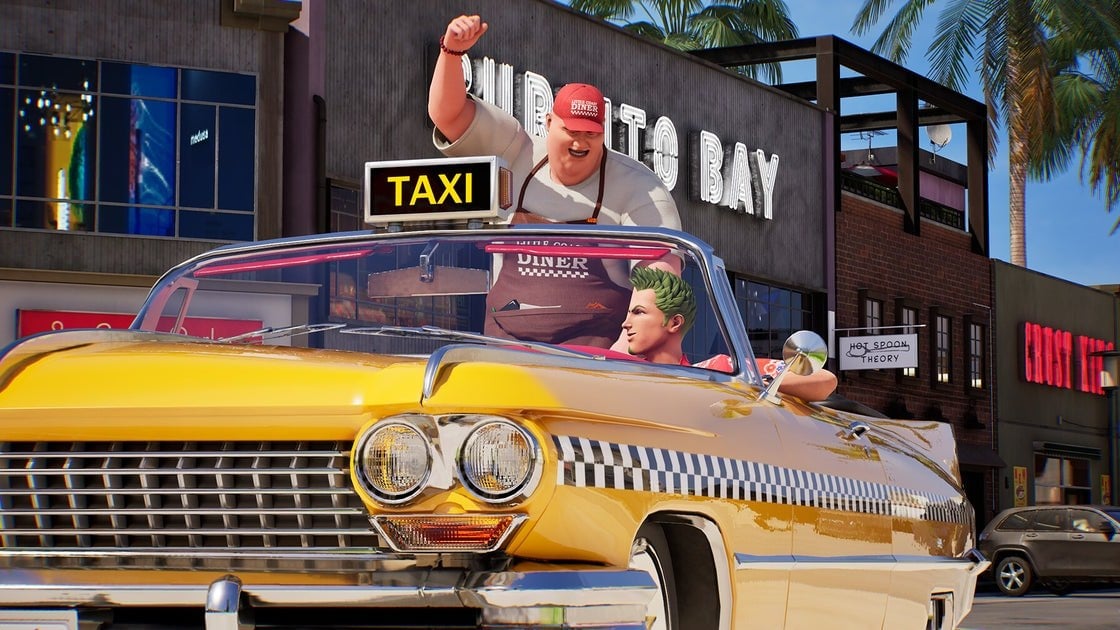
"So actual creators, everything from programming to assets, everything is made by an actual human."
That's series creator Kenji Kanno, speaking via translator at Summer Game Fest's Play Days event, trying to walk back a controversy that nearly swallowed his game's reveal whole. Crazy Taxi: World Tour had one of the strongest showings at the Xbox Games Showcase, complete with an Offspring needle drop that probably gave every early-2000s arcade kid a rush of serotonin. Then people found the Steam page, read the generative AI disclosure, and the mood shifted fast.
The original notice was boilerplate SEGA language: the company "utilize[s] generative AI as a support tool for developers," with a note that no AI was used in reference to performers. It told players almost nothing about what was actually generated, or how much of the final game it touched. SEGA later told Game Informer that AI had been used "during the development of background assets," which only made things murkier.
Kanno's comments at Play Days are the first time anyone on the project has drawn a clear line. According to reporting from Kotaku, who attended the presentation, Kanno explained that artists would generate images based on their ideas, look at the output, and then draw the actual asset from scratch. The AI images served as visual reference, nothing more. No generated content ships in the final game, if you take Kanno at his word.
A disclosure problem
This is where I think SEGA fumbled. Kanno's explanation is reasonable. Artists have always used reference material, whether it's a photograph, a mood board, or a quick sketch on a napkin. Using an AI image generator to visualize a concept before hand-drawing the real thing is a workflow choice, not a replacement of human labor. If every final asset truly is human-made, this is closer to an artist Googling "cyberpunk alleyway" for inspiration than it is to feeding prompts into Midjourney and shipping the output.
But SEGA's Steam disclosure didn't say any of that. It used the same vague corporate template that has triggered backlash for every game that's carried it, from Tomb Raider: Legacy of Atlantis to others before it. When your disclosure reads like a legal CYA statement rather than an honest explanation of your process, you invite exactly the kind of reaction World Tour got. The gap between "we used generative AI during development" and "our artists looked at AI images for reference and then made everything by hand" is enormous, and SEGA left that gap open for days.
Kanno was also asked whether the team understands the backlash risk. His answer was diplomatic but non-committal: "Moving forward in the future [generative AI] is probably going to be more of a hot topic, but I think that's all I can say right now on how we use generative AI for this game." He's not wrong that it's going to keep coming up. Steam's AI disclosure requirement means every game using the tech in any capacity has to flag it, and players have shown they'll react to the label regardless of context.
The timing makes this harder to brush off, too. Just last week, Crystal Dynamics faced its own AI backlash over Tomb Raider: Legacy of Atlantis, responding with a statement about "empowering creativity" that satisfied almost nobody. Meanwhile, studios like Asobo, the team behind A Plague Tale, have publicly refused to use generative AI at all. When some developers are drawing a hard line, the ones who don't will always face tougher questions, even if their actual usage is minimal.
What's actually in the game
Setting the AI noise aside, Crazy Taxi: World Tour itself looks like a genuine attempt to modernize the franchise rather than just cash in on nostalgia. The game features a story campaign following Axel across five cities as he chases down thieves who stole his cab, alongside a classic Arcade Mode for players who just want to race the clock. Local and online multiplayer are confirmed, along with vehicle unlocks and customization. It's coming to PS5, Xbox Series X/S, Nintendo Switch 2, and PC in 2027.
I think Kanno's clarification reframes this from a scandal into a communication failure. If the workflow is "AI as mood board, humans make everything," then the outrage was pointed at a shadow. SEGA could have avoided the entire mess with two extra sentences on the Steam page. Instead, they let a corporate disclosure template do the talking and spent the better part of a week cleaning up the result. The lesson here isn't complicated: if your process is defensible, describe it honestly from the start. Vague disclosures protect nobody, least of all the developers whose handmade work gets dismissed because a label made it sound automated.
Stay on top of every update — find all the latest patch notes and gaming news at XP Gained. Join our Discord for live patch note alerts and discussion.
Written by
Nathan LeesGaming journalist and founder of XP Gained. Covering patch notes, breaking news, and updates across 160+ games.
Related Posts
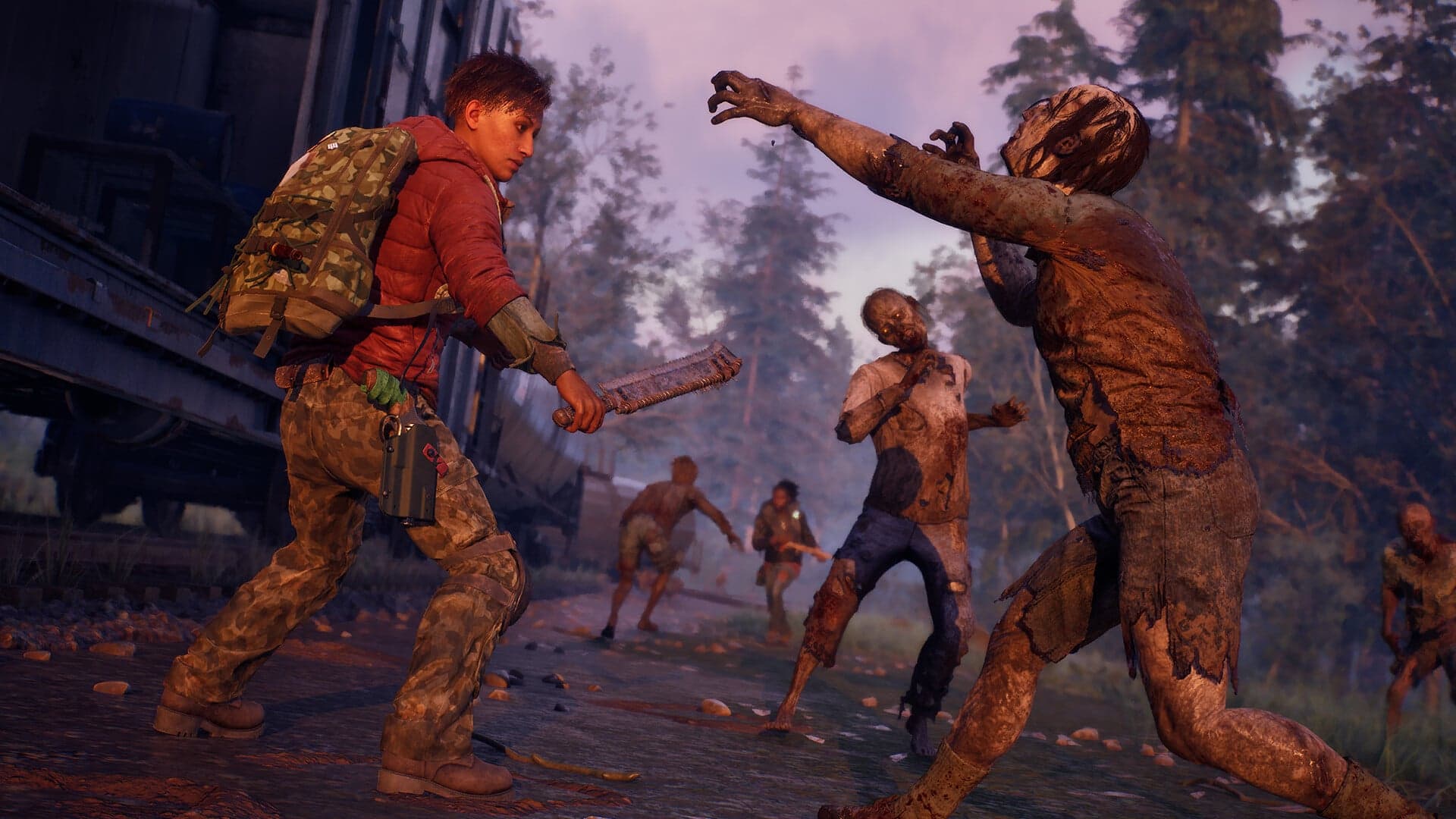
8 Years Without a Game, Undead Labs Now on Xbox's Kill List
Microsoft acquired Undead Labs in 2018. Eight years and zero shipped games later, the State of Decay studio is reportedly searching for a buyer to avoid being shut down.
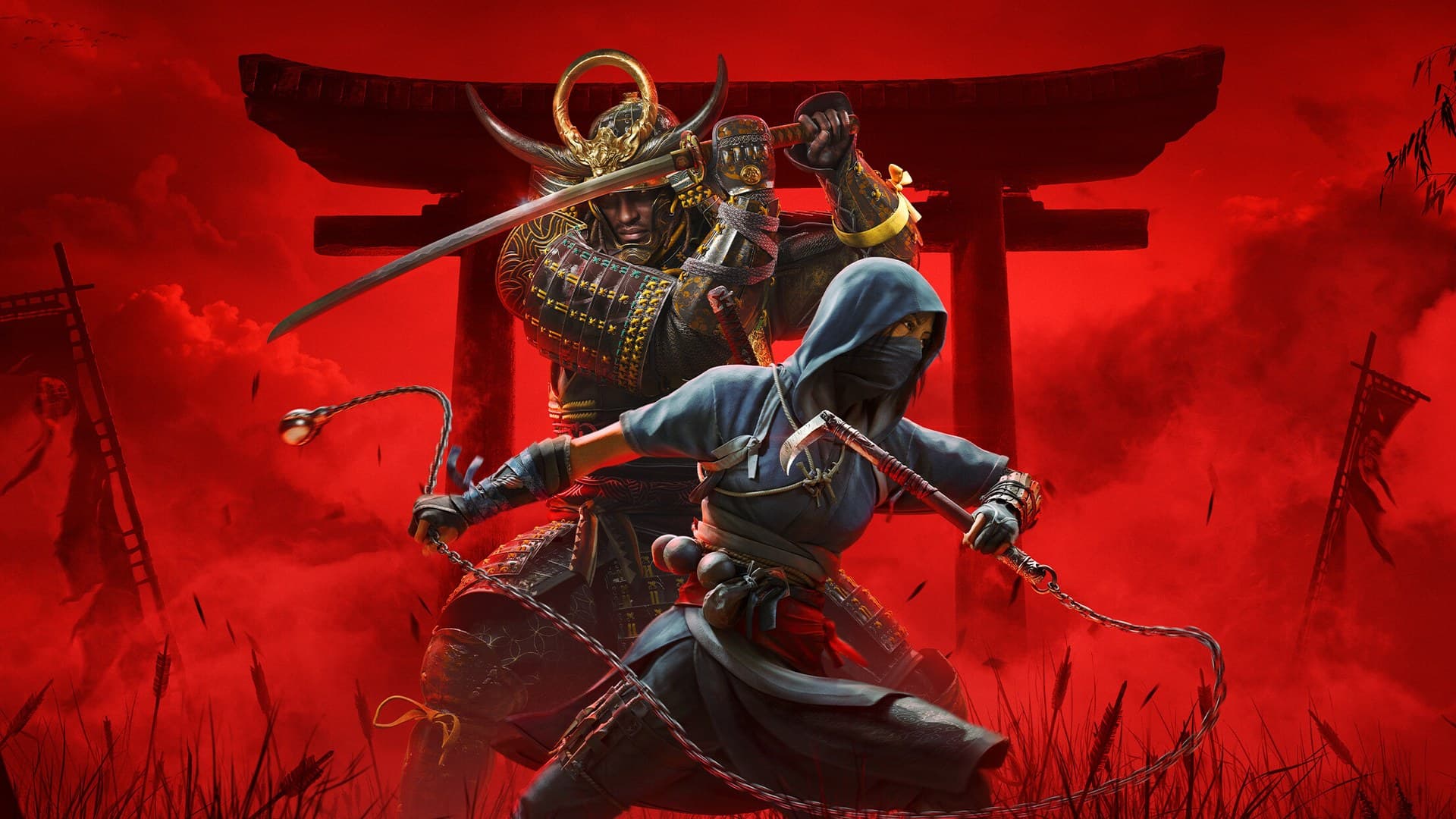
AC Shadows' Final DLC Nails What the Base Game Missed
Black Tides wraps up Assassin's Creed Shadows with a three-hour finale that outclasses the base game's storytelling in almost every way, and it couldn't have arrived at a better time.
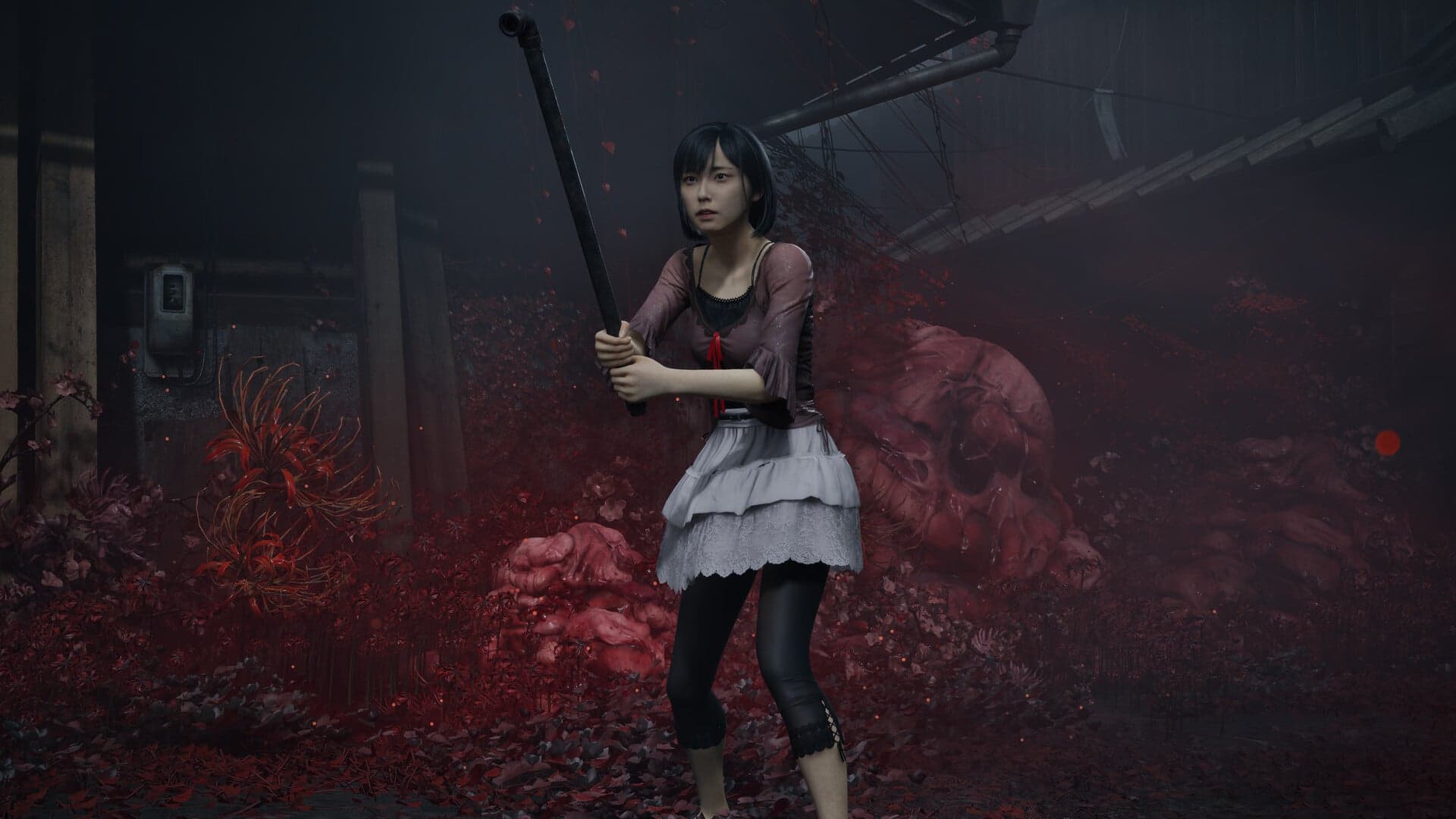
Silent Hill f's Hinako Suits Up as Fatal Frame's Mio
Konami dropped a free crossover costume letting Silent Hill f's Hinako dress as Fatal Frame 2's Mio Amakura, completing a two-way collaboration between the horror titles.