The Granddaddy of JRPGs Now Belongs to Atari
Atari now owns the first five Wizardry games, the series that shaped every JRPG you've ever played. But the deal already has a wrinkle.
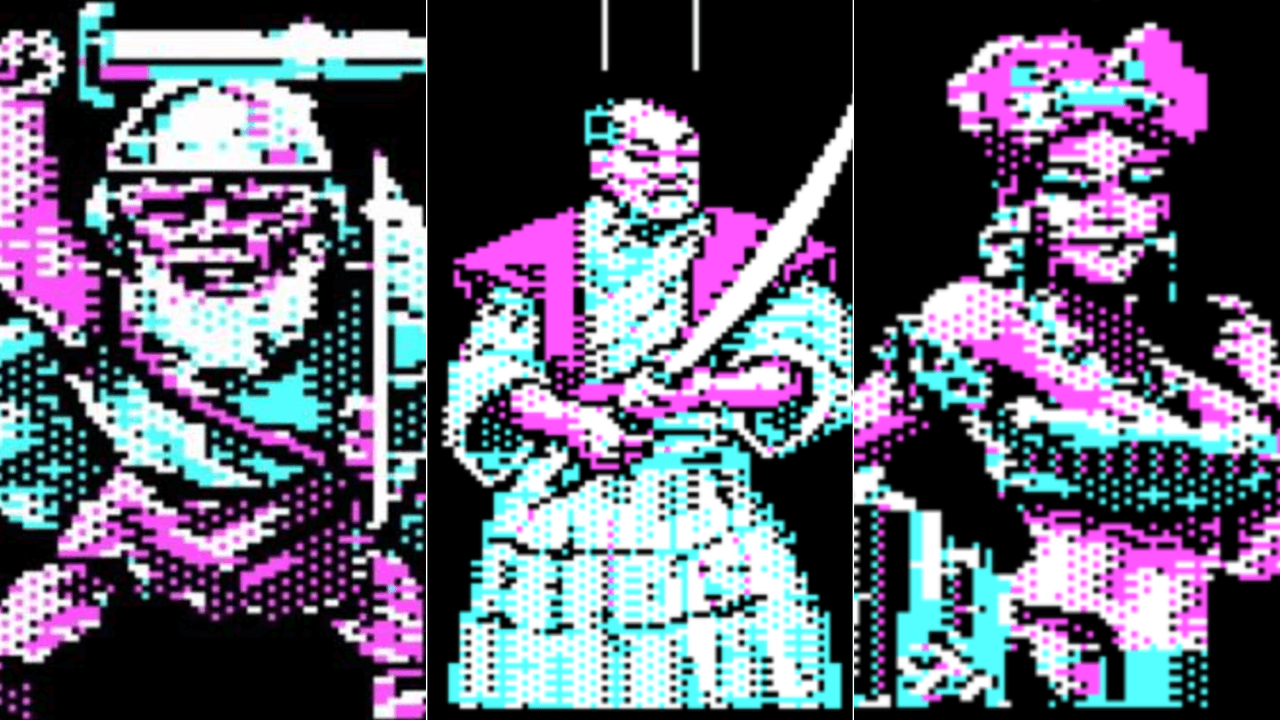
Before there was Final Fantasy, before Dragon Quest, before the entire JRPG genre as we know it existed, there was Wizardry. The 1981 dungeon crawler built by Robert Woodhead and Andrew Greenberg didn't just pioneer first-person grid-based RPGs on Western PCs; it crossed the Pacific and became the blueprint for an entire generation of Japanese game designers. Yuji Horii has openly cited it as a direct influence on Dragon Quest. Without Wizardry, the JRPG lineage looks completely different.
Now Atari owns the first five games in that lineage. The company announced it has acquired "complete and exclusive rights" to Wizardry: Proving Grounds of the Mad Overlord (1981), Wizardry II: The Knight of Diamonds (1982), Wizardry III: Legacy of Llylgamyn (1983), Wizardry IV: The Return of Werdna (1987), and Wizardry V: Heart of the Maelstrom (1988), along with what it describes as the "underlying IP." Plans include remasters, collections, new releases, physical editions, merchandise, board games, books, comics, and even TV and film projects.
That's an ambitious slate for a franchise most people under 35 have never touched. But Atari's track record under CEO Wade Rosen suggests this isn't just IP hoarding. The company already published a well-received remake of Proving Grounds of the Mad Overlord through its Digital Eclipse label in 2024, and that remake won a Grammy for its original score. Rosen has been positioning Atari as a preservationist publisher, snapping up retro IP like Night Dive Studios, Transport Tycoon, and Surgeon Simulator. Wizardry fits that pattern perfectly, and I think it's one of the smarter acquisitions they've made. These games have been essentially unplayable for over two decades. Getting them back into circulation in any form is a win for preservation.
The Drecom Dispute
There's a complication, though. Japanese company Drecom, which acquired the Wizardry trademark and broader IP rights in 2020, pushed back on Atari's announcement almost immediately. In a statement posted on X, Drecom clarified that "no such fact exists" regarding Atari acquiring rights to the Wizardry IP from them. Drecom acknowledged that Atari had notified them of acquiring rights to the first five titles "from the original rights holder," but stressed that Drecom retains the worldwide trademark and has "no intention of selling" it.
So what Atari actually owns is murky. The games themselves and their specific content, apparently yes. The broader Wizardry brand and trademark? Drecom says no. This matters because Atari's press release talks about building an "entertainment franchise" around the original games, which gets complicated fast if someone else controls the name. Drecom still owns Wizardry VI through VIII and has been licensing the IP for Japanese-developed titles like Wizardry: Labyrinth of Lost Souls and the gacha-driven Wizardry Variants Daphne. Two companies running parallel Wizardry strategies with different aesthetics and audiences could get messy.
"When Andrew Greenberg and I created Wizardry back in the 1980s, the video game industry was still in its infancy," co-creator Robert Woodhead said in Atari's press release. "As Atari continues to reintroduce the games on new platforms and to new audiences, I'll definitely be paying attention to the reactions of gamers who decide to take on a real old-school challenge."
I'm interested to see what Digital Eclipse does with the remaining four games. Their Proving Grounds remake proved you can modernise a 1981 dungeon crawler without gutting what made it special. And the timing is better than you'd think: grid-based dungeon crawlers have been quietly building momentum again with titles like Legends of Amberland and Cyclopean: The Great Abyss finding dedicated audiences on Steam. There's clearly an appetite for this style of RPG beyond pure nostalgia.
The IP ownership question needs resolving before Atari can credibly talk about Wizardry TV shows and comic books. But getting the original five games back into players' hands, properly remastered and widely available, is a straightforward good. These are some of the most historically important RPGs ever made, and they've been locked in a vault for a generation. Atari paid an undisclosed fee for the deal, according to an update from Drecom, and no release timeline for any new products has been announced.
Sources
Stay on top of every update — find all the latest patch notes and gaming news at XP Gained. Join our Discord for live patch note alerts and discussion.
Written by
Nathan LeesGaming journalist and founder of XP Gained. Covering patch notes, breaking news, and updates across 160+ games.
Related Posts
Physint Moves to Xbox as PlayStation Steps Away
Xbox is Kojima Productions' new partner on Physint. PlayStation Studios says it has stepped away, Kojima says he was told in mid-June the project would be cancelled, and development is continuing.
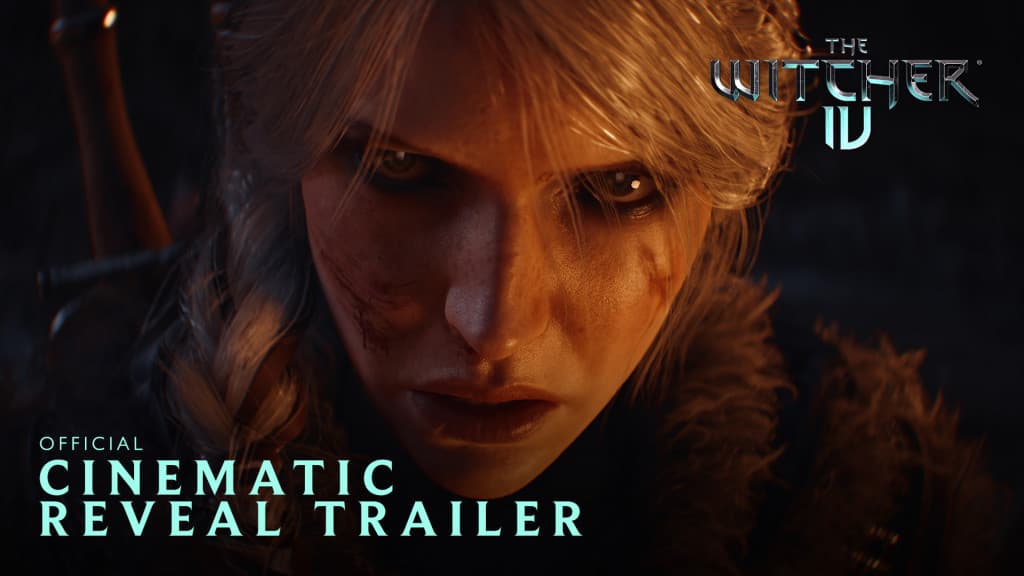
The Witcher 4 Is Targeting a 2028 Release Window
CD Projekt Red has given The Witcher 4 its first release window. Joint-CEO Michał Nowakowski is targeting 2028, with no exact date and no showing at Gamescom 2026.
PlayStation Blackout Day Two: The Digital Ownership Record
PlayStation owners boycotting the PS Store entered day two with organisers extending the protest indefinitely, and no new answer from Sony.