50% Faster Isn't Enough? Valve's Wild Bar for Deck 2
Valve's Pierre-Loup Griffais confirms the company is 'hard at work' on Steam Deck 2, but won't settle for anything less than a generational performance leap over the original.
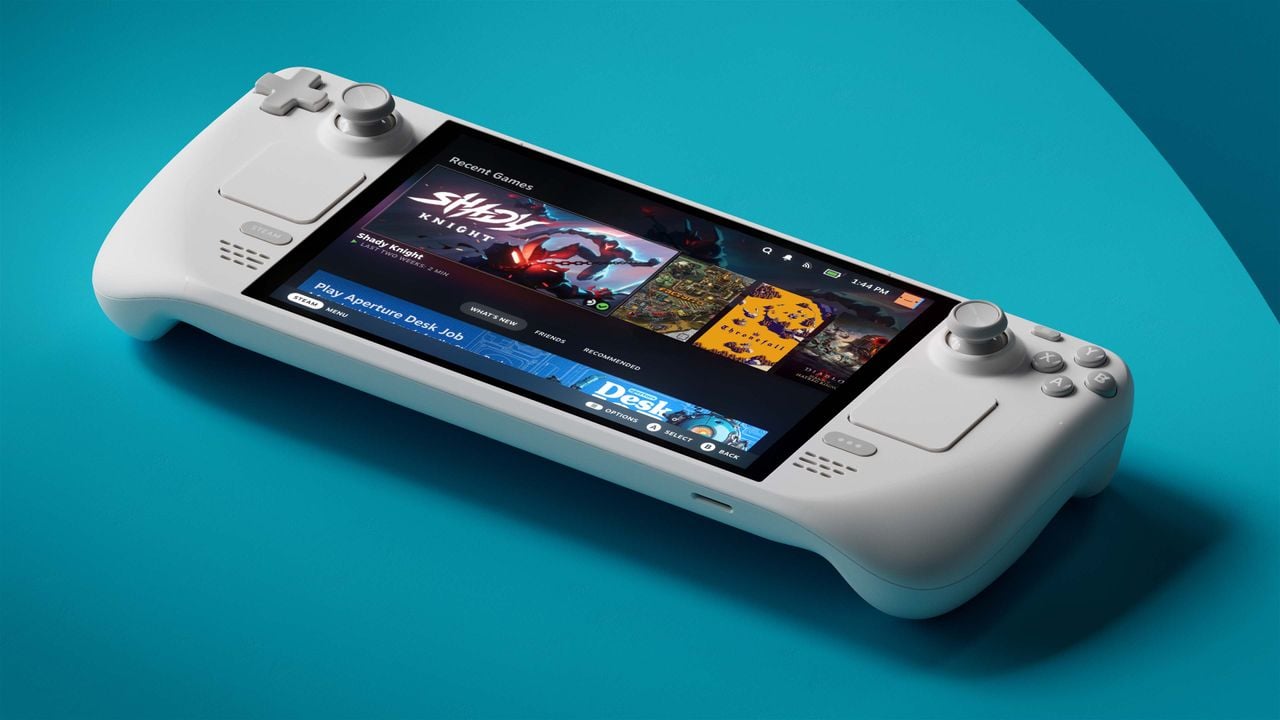
Most hardware companies would kill to ship a product that's 50% faster than its predecessor. Valve doesn't think that's good enough. In a new interview with IGN, Valve programmer Pierre-Loup Griffais confirmed the company is "hard at work" on the Steam Deck 2, but reiterated that no chip currently exists that meets the company's standard for what a true successor should be.
"We're not interested in getting to a point where it's 20 or 30 or even 50 percent more performance at the same battery life," Griffais said in comments originally made late last year when Valve announced the Steam Machine. "We want something a little bit more demarcated than that." He added that "right now there's no offerings in that landscape, in the SoC landscape, that we think would truly be a next-gen performance Steam Deck."
I respect the ambition, but I also think this stance is why Valve has no release date to share four years after the original Deck launched. The handheld PC market has exploded since 2022. Lenovo, Asus, and others have shipped multiple revisions of their competing devices. Meanwhile, Valve is still running the same Zen 2 CPU cores and RDNA 2 graphics it launched with, just on a slightly refined die in the OLED model. Every competitor has lapped the Deck's raw specs. Valve's argument is that none of them have delivered a meaningful enough jump to matter, and honestly, looking at the actual gaming experience on most of those devices, they might be right.
The Silicon Problem
The bottleneck isn't Valve's ambition; it's AMD's APU roadmap. The current Deck runs a custom AMD chip, and Valve clearly wants to commission another one for the sequel. But AMD's latest APU offerings haven't made the kind of architectural leap Valve is waiting for. The Gorgon Point APU, AMD's newest, is essentially a minor respin of Strix Point, still built on Zen 5 and RDNA 3.5 using TSMC's N4 process. For Valve to get the generational jump it wants, AMD likely needs to move its APU tech onto TSMC's N3 node at minimum, or potentially the N2 node that's already entered mass production.
That timeline puts a realistic Steam Deck 2 launch somewhere in late 2027 at the absolute earliest, and 2028 feels more probable. One source even references a rumoured 2028 release window, which lines up with the silicon timeline.
Griffais framed the Deck 2 as a natural evolution of everything Valve has been building. "You can draw a straight line from the original Steam Controller and Steam Machines to Steam Deck, to everything that we're announcing and shipping this year," he told IGN. "And we expect Steam Deck 2 will be a lot of the same where a lot of what we're doing here will be learnings that build up to it." Valve confirmed on X that its new Steam Controller launches May 4, and the Steam Machine and Steam Frame VR headset are also in the pipeline, though the ongoing global RAM shortage is complicating those launches too.
That RAM crisis is also hitting the existing Steam Deck. Griffais acknowledged that the handheld is out of stock in some regions and that Valve is "very cognizant of the fact that there's folks that want to get Steam Deck and they're not currently able to get it." He compared the situation to the COVID-era microcontroller shortage, noting that Valve's strategy of qualifying multiple component suppliers has helped, but that memory constraints are a global issue with no quick fix.
Here's what I keep coming back to: Valve's refusal to ship an incremental upgrade is the single biggest reason the Deck 2 doesn't have a date. And I think that's the correct call, even if it's frustrating. The handheld PC space is littered with devices that are marginally faster than the last one, cost the same or more, and don't actually change what you can play. A Deck 2 that runs the same games at the same settings with slightly better frame rates wouldn't justify its existence. Valve wants a device where games that currently chug at 30fps on Low are suddenly smooth at 60 on Medium or High. That requires a different class of chip than anything available today.
The risk is that Valve waits so long that the market moves on without it. Nintendo's Switch 2 is already out there leveraging DLSS to punch above its weight class. Competitors keep iterating. But Valve's track record with the original Deck suggests the company knows how to time a hardware launch for maximum impact. The original Deck didn't win on specs; it won on price, software integration, and the fact that it just worked. If Valve can pair that same philosophy with a performance leap, the wait will be justified. If the chip they're waiting for slips into 2028 or beyond, the conversation changes.
Stay on top of every update — find all the latest patch notes and gaming news at XP Gained. Join our Discord for live patch note alerts and discussion.
Written by
Nathan LeesGaming journalist and founder of XP Gained. Covering patch notes, breaking news, and updates across 160+ games.
Related Posts

Steam Controller Finally Works in KCD 2
Valve's latest Steam Beta update squashes a Steam Controller bug in Kingdom Come: Deliverance II, alongside overlay and Remote Play fixes.
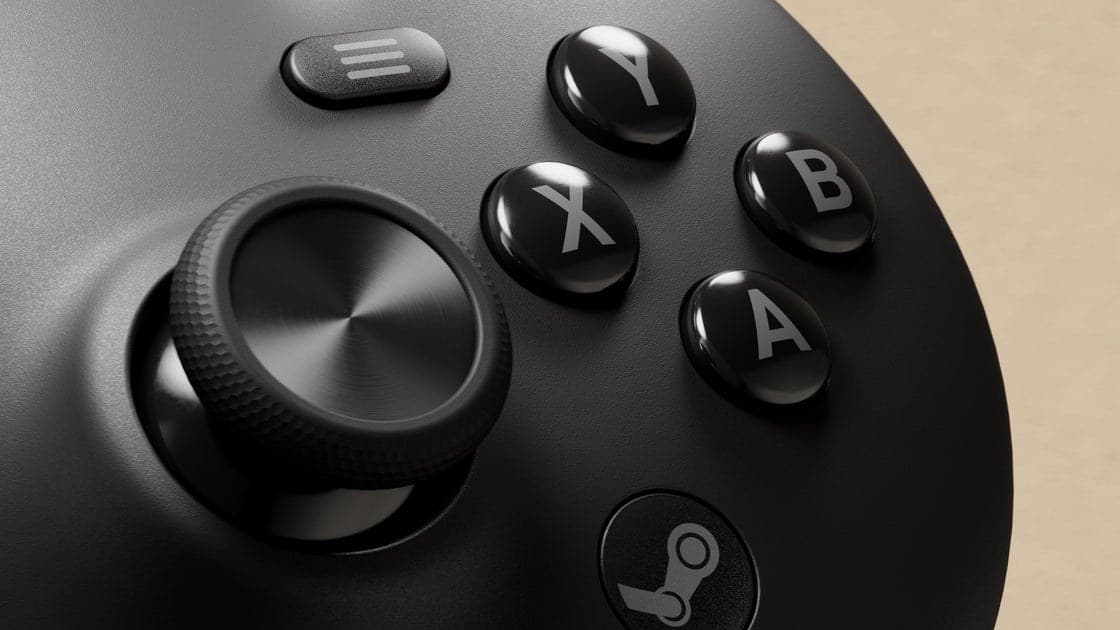
Steam Hardware Buyers' Addresses Leaked in Cyberattack
Valve is warning European Steam hardware customers that a cyberattack on its shipping partner CEVA Logistics likely exposed their names, home addresses, phone numbers, and email addresses.
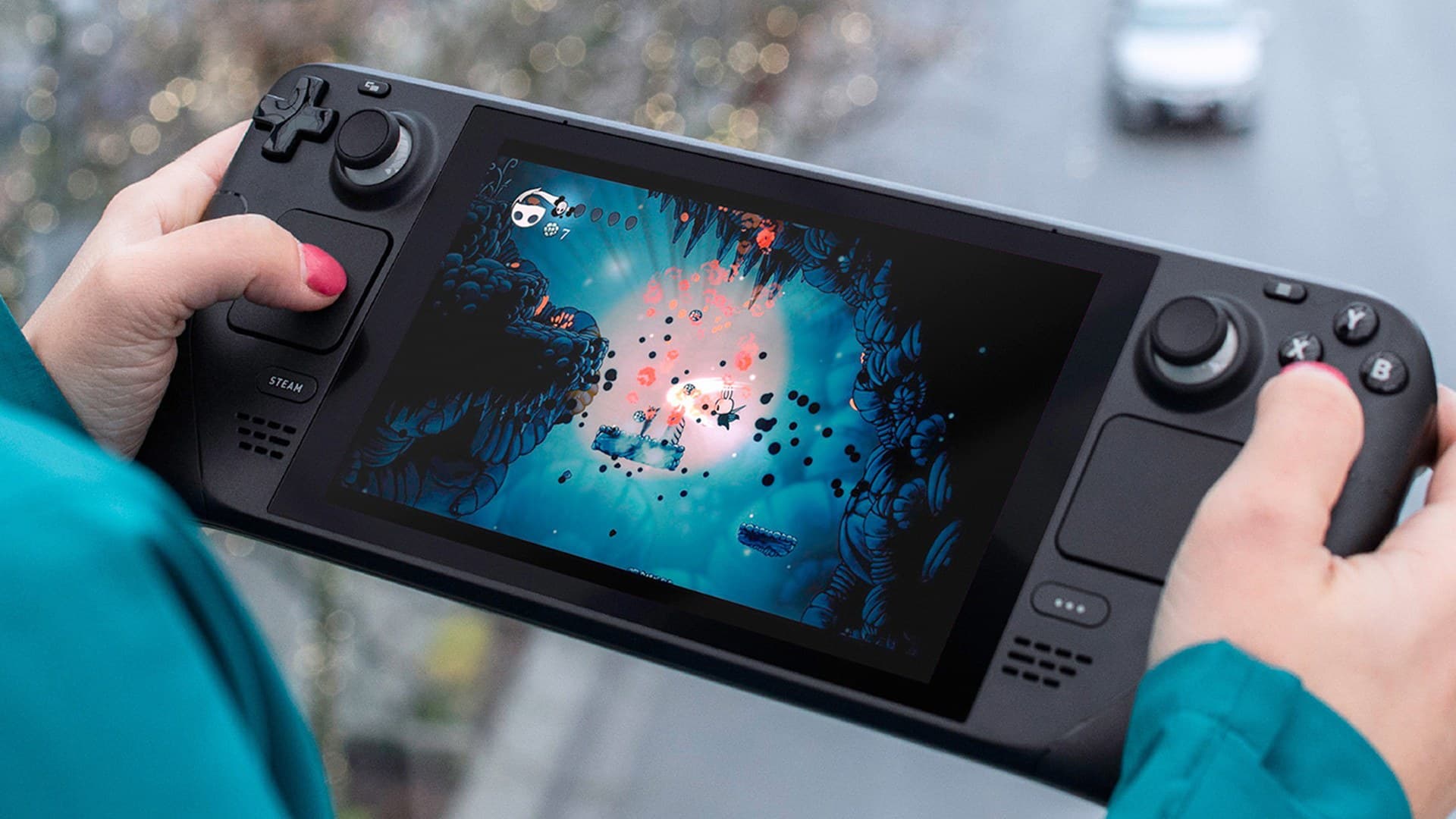
Steam Deck Now Streams PS5 Games Without a Console
A new playtest for the Asobi: Remote Play app brings PS Plus Premium cloud streaming to Steam Deck and Steam Machine, cutting the PS5 out of the equation entirely.