Valve Built 27 Million Images to Overhaul Steam's Market
Valve generated over 27 million unique images just to backfill existing Counter-Strike listings as part of a sweeping Community Market redesign now in beta.
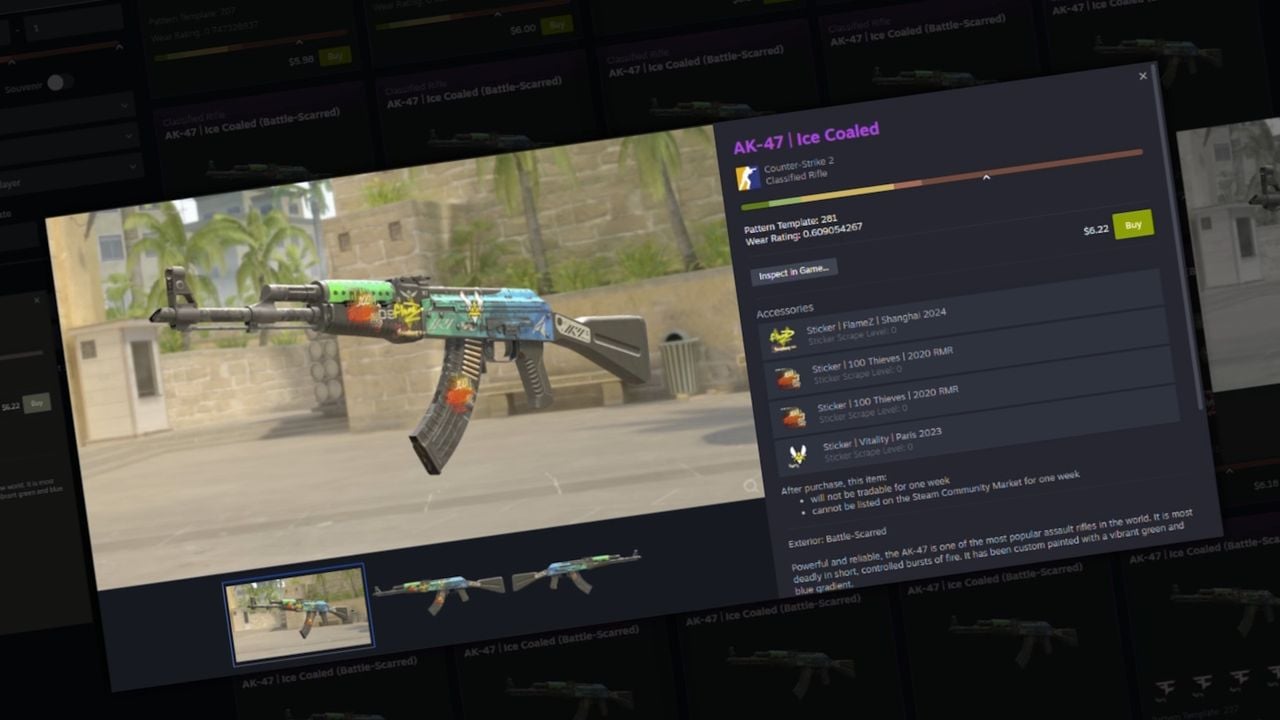
Twenty-seven million. That's how many unique images Valve says it generated during internal testing just to cover existing Counter-Strike listings on the Steam Community Market. Not new listings. Not future ones. The backlog.
The number comes from a blog post on the Steam Community page announcing a beta for what Valve calls a "major update" to the marketplace. The Community Market, for anyone who hasn't touched it, is where Steam users buy and sell in-game items and community items like trading cards, backgrounds, and emoticons. It's been around for years, and it has clearly outgrown its infrastructure. Valve's own numbers back that up: more than 13,000 games now have Steam Community items listed on the Market, and over 700 have in-game items available for trade.
"These game economies have outgrown the Market's existing browsing and discovery tools, so it's time for an upgrade," Valve wrote. That's an understatement. Anyone who's tried to buy a specific Counter-Strike skin knows the old Market interface was a chore. You'd scroll through walls of identically named listings with no way to tell what a skin actually looked like without launching the game or relying on third-party tools like SteamDB or community wikis. The whole experience felt like it belonged in 2015.
What's Actually Changing
The headline feature is those generated images. Every Counter-Strike item listed on the Market will now have a unique image that shows its specific wear, pattern, and any applied accessories. No more guessing whether a Factory New skin has a desirable pattern or whether the stickers on a listed AK-47 are worth the premium. Valve confirmed this applies retroactively to every existing listing, which is where the 27 million figure comes from.
For anyone with money in the CS skin economy, this matters a great deal. Buying skins on the old Market was an exercise in faith. You'd see a price, a generic item thumbnail, and a float value if you were lucky. Anything more specific required inspecting the item in-game or cross-referencing external databases. Valve building a system that renders every individual listing with its actual visual characteristics removes one of the biggest friction points in the entire marketplace. It's the kind of improvement that should have existed years ago, but the sheer scale of the effort, 27 million images just for the backfill, makes it clear why it didn't.
Beyond the images, the update brings bigger listing cards with more detail, improved search with dynamic filters, and the ability to group variations of the same item on a single page. Graphs have been overhauled too, now showing volume data alongside price history and supporting multiple datasets for grouped items. If you're someone who tracks skin prices like stock tickers, this is a significant quality-of-life upgrade.
And yes, the layout is wider. Valve has been on a widening spree across Steam's entire UI over the past year, and the Community Market is the latest page to get the treatment. Item pages now use a full-width grid, which honestly just makes the old narrow layout look even more dated in hindsight.
Counter-Strike First, Everyone Else Later
Valve was upfront about why Counter-Strike is the guinea pig here. "Since Counter-Strike items are popular in the Community Market (and a game we work closely with) we've used them to experiment and build out this extensive item integration," the blog post reads. The company added that it looks forward to other games using the same features, but gave no timeline for when that expansion might happen.
This is where I'd push back slightly. Counter-Strike's skin economy is massive, probably the single largest item economy on Steam, so it makes sense as a starting point. But games like Dota 2, Team Fortress 2, and Rust all have active trading communities that would benefit from the same treatment. Valve saying it "looks forward" to expanding the tools without committing to a schedule is classic Valve. I'd love to be wrong, but I wouldn't hold my breath for a rapid rollout.
The beta is live now and enabled by default for all Market users. If something breaks or you prefer the old layout, there's an "exit beta" button at the top of item and search pages. Given Valve's track record with UI betas, expect this to run for a while before it becomes permanent.
The timing is interesting too. Valve is simultaneously dealing with hardware supply issues affecting Steam Deck stock and preparing for the Steam Machine launch, with recent code references suggesting four different SKUs including 512GB and 2TB options. Pouring resources into a Market overhaul while juggling hardware launches and component shortages suggests Valve sees the marketplace as a revenue channel worth serious investment. Given that Valve takes a cut of every Market transaction, generating 27 million images to make buying easier isn't just a nice gesture; it's a business decision that will almost certainly pay for itself.
Stay on top of every update — find all the latest patch notes and gaming news at XP Gained. Join our Discord for live patch note alerts and discussion.
Written by
Nathan LeesGaming journalist and founder of XP Gained. Covering patch notes, breaking news, and updates across 160+ games.
Related Posts

Steam Controller Finally Works in KCD 2
Valve's latest Steam Beta update squashes a Steam Controller bug in Kingdom Come: Deliverance II, alongside overlay and Remote Play fixes.
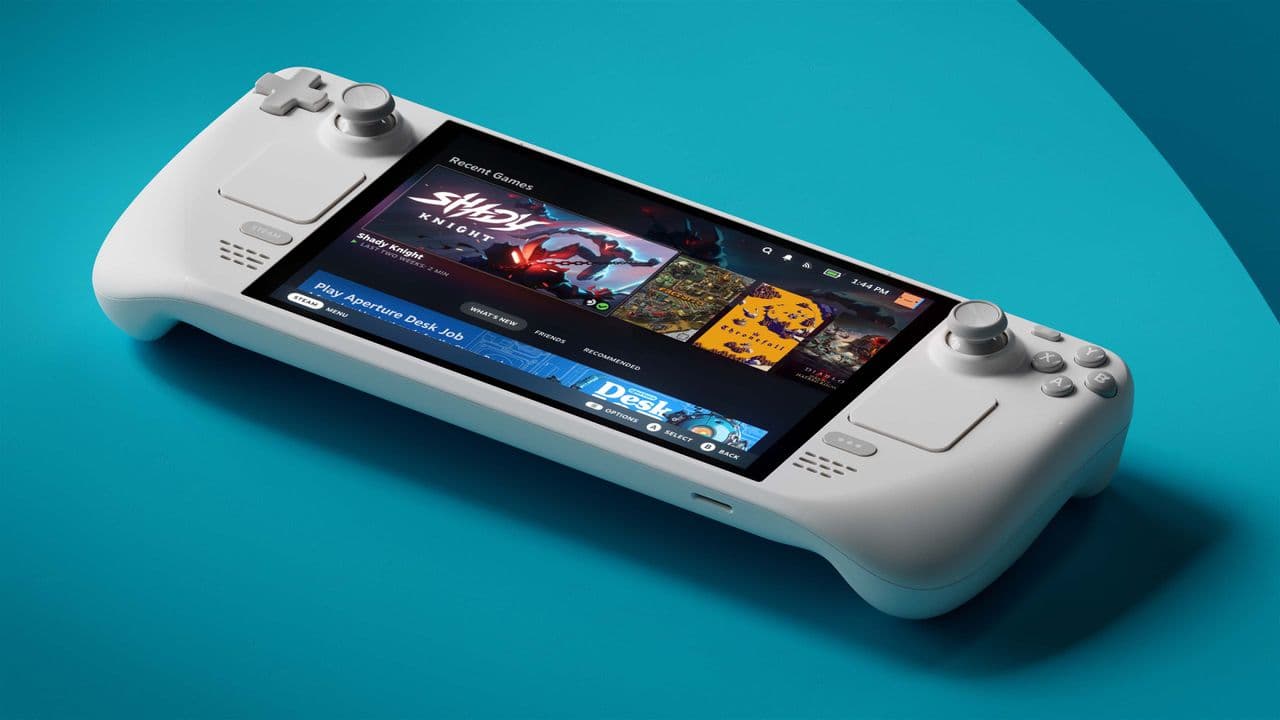
50% Faster Isn't Enough? Valve's Wild Bar for Deck 2
Valve's Pierre-Loup Griffais confirms the company is 'hard at work' on Steam Deck 2, but won't settle for anything less than a generational performance leap over the original.
Steam Hardware Buyers' Addresses Leaked in Cyberattack
Valve is warning European Steam hardware customers that a cyberattack on its shipping partner CEVA Logistics likely exposed their names, home addresses, phone numbers, and email addresses.