PlayStation's 30-Day DRM Scare Was a Refund Exploit Fix
Sony has finally broken its silence on the PS5 and PS4 DRM controversy, confirming that the 30-day timer is a one-time license check tied to refund abuse prevention, not a recurring online requirement.

Five days. Sony let the PlayStation DRM panic spiral for five full days before issuing a two-sentence statement that could have killed the controversy on day one. According to Game File, a Sony spokesperson confirmed: "Players can continue to access and play their purchased games as usual. A one-time online check is required after purchase to confirm the game's license, after which no further check-ins are needed."
That's it. No recurring 30-day check-ins. No Xbox One 2013 redux. No always-online requirement creeping into your PS5 library. The timer that YouTuber Modded Warfare first surfaced over the weekend, which sent forums and social media into a tailspin of worst-case speculation, turns out to be a temporary license that converts to a permanent one after a single online verification.
The community had already pieced most of this together before Sony bothered to speak up. ResetEra user Andshrew did the detective work on a jailbroken PS4, discovering that newly purchased digital games receive a 30-day temporary license that transitions to an indefinite one after the 14-day refund window closes. A game purchased on April 9 and checked on April 25, some 16 days later, had already been issued a permanent license. A game purchased on April 27 still carried the temporary one. The pattern was clear: the cutoff aligns with PlayStation's refund policy, which allows automatic refunds on digital games within 14 days if they haven't been installed.
Why the 30-Day Timer Exists
The prevailing theory, corroborated by preservation account Does It Play, is that this system targets a specific refund exploit. Pirates were reportedly buying games digitally, extracting the indefinite license files using hacked PS4 consoles, then requesting refunds within the 14-day window without ever installing the game on a retail unit. Because the old system issued permanent licenses immediately at purchase, the extracted license remained valid even after the refund went through. By issuing a temporary 30-day license first and only converting it to a permanent one after the refund window closes, Sony effectively blocks that pipeline.
Sony's statement doesn't confirm this theory directly, but it lines up perfectly with the technical evidence. As Does It Play's owner Clemens Istel told Kotaku, "The way we understand it currently is that there was an additional layer of DRM introduced to combat fraudulent behaviour from users. Our best guess is that this might have to do with a refund scam we've heard about."
I think the actual DRM change here is reasonable. If the choice is between letting pirates freely extract and distribute licenses through a refund loophole or adding a single online handshake that most players will never even notice, the fix makes sense. Digital games already require an internet connection to download in the first place. A one-time license check after that is barely an inconvenience for anyone buying games legitimately.
What isn't reasonable is how Sony handled the communication. The company watched this story explode across every gaming outlet and social media platform for nearly a week. PlayStation customer support agents gave contradictory answers, with some confirming a recurring 30-day check-in was intentional and others saying something different entirely. Comparisons to Microsoft's catastrophic Xbox One DRM reveal in 2013 were everywhere. All of that could have been defused with the exact same two-sentence statement Sony eventually gave, just issued on Saturday instead of Wednesday. Studios like Arrowhead and Larian have shown that fast, honest communication during a crisis earns goodwill. Sony chose silence, and the vacuum filled itself with panic and misinformation.
There is one lingering concern I share with preservation advocates. Even a one-time check means your purchased games depend on Sony's servers being reachable at least once. Right now, that's trivial. In ten or fifteen years, when PS4 and PS5 infrastructure starts winding down, it becomes a real question. Sony hasn't addressed what happens to licenses that never get that initial verification after servers go offline. For a company that just weathered a week of DRM backlash, getting ahead of the preservation angle would be smart rather than waiting for the next crisis to answer questions it could address now.
Stay on top of every update — find all the latest patch notes and gaming news at XP Gained. Join our Discord for live patch note alerts and discussion.
Written by
Nathan LeesGaming journalist and founder of XP Gained. Covering patch notes, breaking news, and updates across 160+ games.
Related Posts
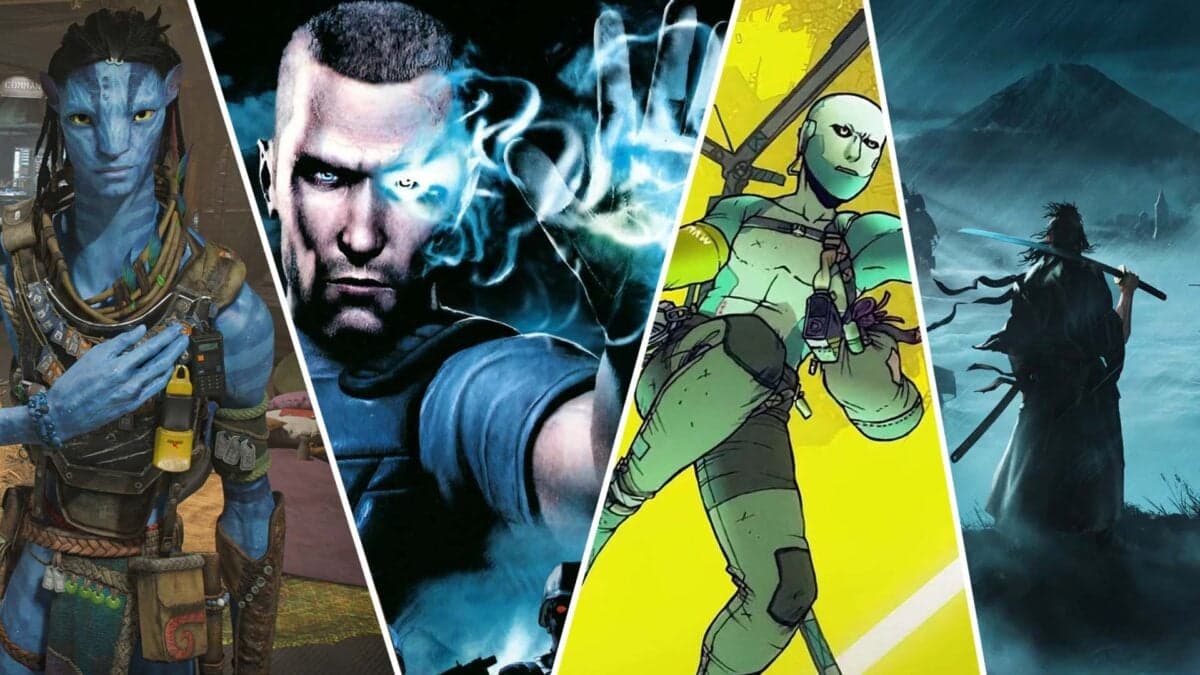
Two Weird PS2 Cult Classics Sneak Into PS Plus Premium
Sony's July PS Plus lineup leads with Avatar: Frontiers of Pandora and Rise of the Ronin, but the two PS2 classics buried at the bottom of the list are the picks I'm most excited about.

Sony Hikes PS Plus as Xbox Cuts Game Pass Prices
Sony is raising PlayStation Plus prices for new subscribers starting May 20, citing 'ongoing market conditions.' The timing is remarkable given Xbox just lowered Game Pass prices last month.

No Date, No Price, No Plan? PS6 Stalled by AI Boom
Sony's CEO admitted during an earnings call that the company hasn't decided when the PS6 will launch or what it will cost, citing skyrocketing memory prices driven by AI demand.