'Honestly Not That Hard': N64 Emulator Cracks Rollback
A Nintendo 64 emulator fork just added rollback netcode across the entire library, and the programmer behind it says GekkoNet "did most of the lifting." Spain-to-Australia Smash 64 at four frames of delay is now a real thing.
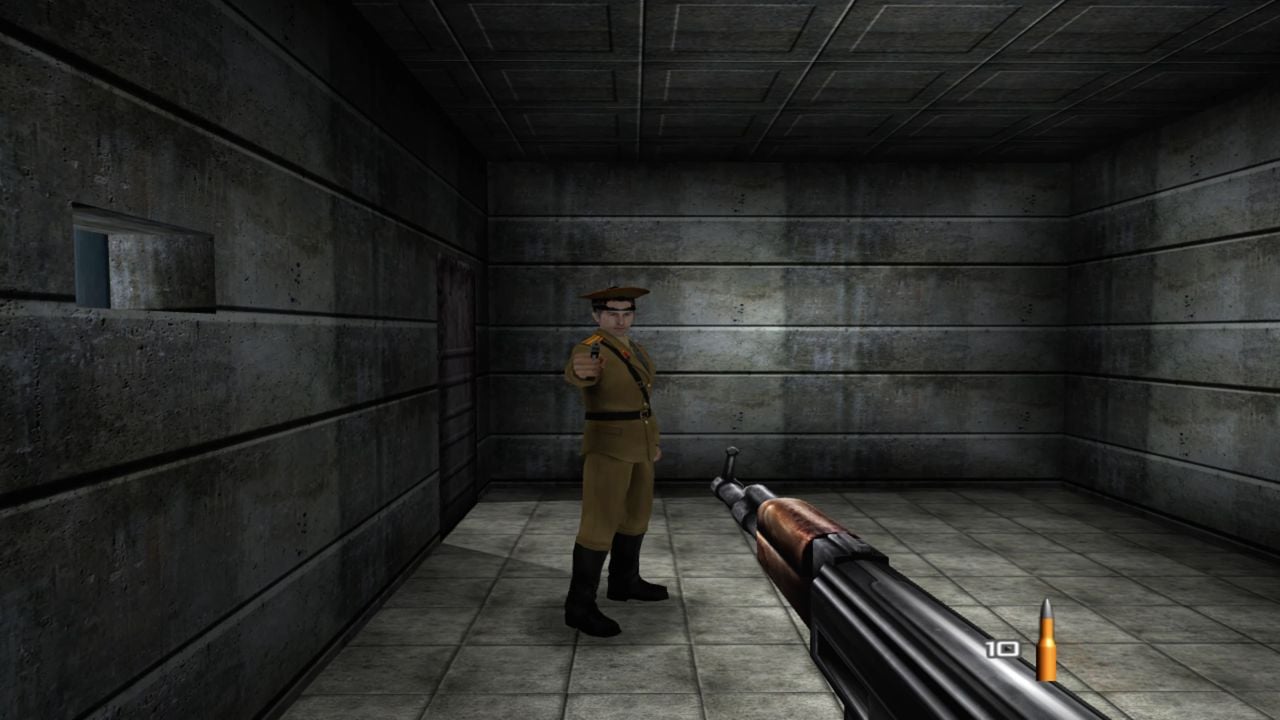
Four frames of delay from Spain to Australia. That's what Bluesky user Grasluu00 reported after testing GoldenEye multiplayer on RMG-K, a fork of the RMG Nintendo 64 emulator that received a v0.9.4 update on May 14 adding rollback netcode across the entire N64 library. Previously, the same connection required nine frames using delay-based netcode. The gap between those two numbers is the difference between playable and miserable.
Rollback netcode predicts what inputs are coming next and corrects itself when it guesses wrong, rather than forcing both players to wait for data to sync before anything happens on screen. If you've ever wondered why fighting game crowds literally erupt into applause when a developer announces rollback support, this is why. It's the single biggest quality-of-life improvement online multiplayer can receive, and the fighting game community has been begging studios for it for over a decade. Now a small group of developers just handed it to every multiplayer N64 game at once.
The programmer behind the implementation, NyxTheShield, posted on X that the rollback feature uses the GekkoNet framework and that adding it "was honestly not that hard." GekkoNet, as its creator Heat shared on X, "did most of the lifting." The same framework is also being used in a fan project porting the PS2 version of Street Fighter 3: 3rd Strike natively to PC. NyxTheShield is better known as a composer whose work appears in the popular Undertale fan series Glitchtale and Underverse, but their coding work here speaks for itself. The feature is currently limited to two-player sessions, as developer CigNus has noted.
I love the framing of "honestly not that hard" because it makes you wonder why this kind of thing doesn't happen more often. Major publishers have shipped fighting games with delay-based netcode in the last few years, charged full price, and told players to deal with it. Meanwhile, a small team bolted rollback onto an entire console's library using an open framework. The tools exist. The knowledge exists. When someone solves a problem the community has wanted fixed for years and shrugs it off as straightforward, that should embarrass every studio still shipping delay-based multiplayer in 2026.
Not Without Controversy
The project has drawn criticism from the original RMG emulator's creator. A Reddit user identified as developer Rosalie241 posted yesterday: "RMG-K is insulting, they took RMG's code, vibe coded changes with Claude and then have a donation button in the ReadMe of the project. As someone who has spent years making RMG the way it is without any LLM assistance, seeing these vibe coded forks pop up is just depressing and just sad." Coders involved with RMG-K, including NyxTheShield, have referenced their usage of AI tools on social media, with Nyx stating the rollback feature was implemented using Codex as "an automation/helper." This echoes a growing tension in the emulation scene; just last week, the RPCS3 PlayStation 3 emulator team publicly asked people to stop flooding them with AI-generated code pull requests.
The AI debate is real and I don't think it's going away, but the practical result here is hard to argue with. Players are running Smash 64 online with rollback from opposite sides of the planet. The early proof-of-concept build is available now, and while most testing so far has focused on Super Smash Bros., at least one player in the SSB 64 Discord confirmed it works well with Mario Tennis too.
Sources
Stay on top of every update — find all the latest patch notes and gaming news at XP Gained. Join our Discord for live patch note alerts and discussion.
Written by
Nathan LeesGaming journalist and founder of XP Gained. Covering patch notes, breaking news, and updates across 160+ games.
Related Posts
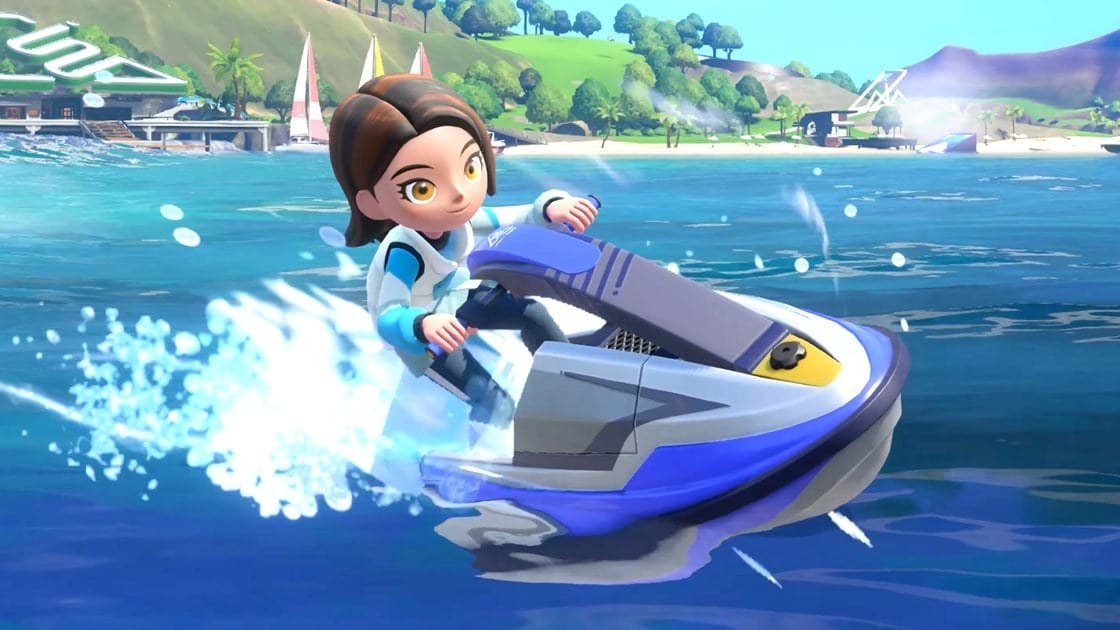
Thumb Wrestling? Switch Sports Resort Unveiled for Oct.
Nintendo announced Switch Sports Resort during today's Direct, bringing 12 sports to Switch 2 this October. Skateboarding and prop plane flying are in. So is thumb wrestling, apparently.
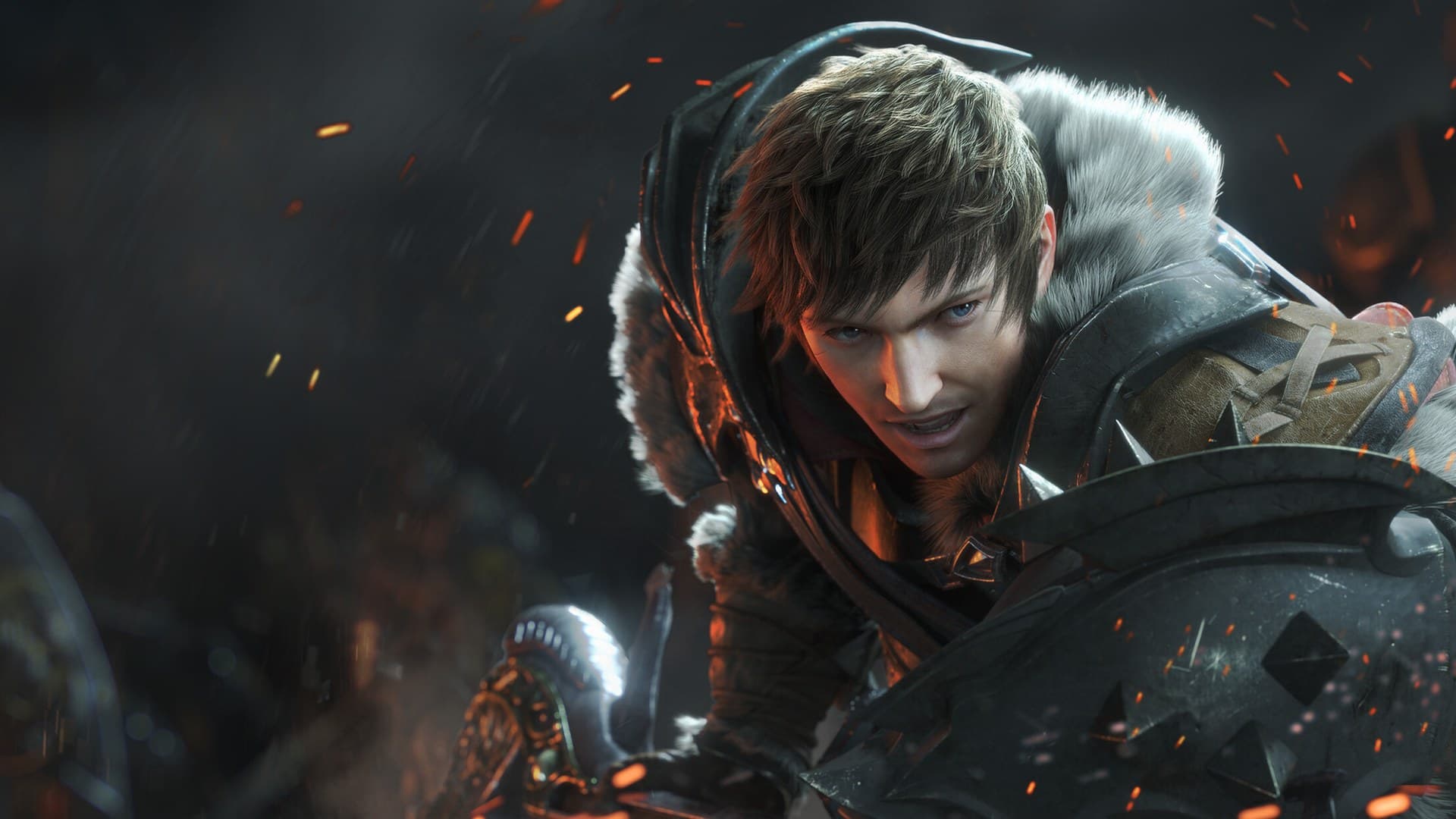
117GB Free Trial: FF14 Lands on Switch 2 With a Catch
Final Fantasy 14's generous free trial arrives on Switch 2, but the 117GB download eats nearly half the console's internal storage. Square Enix is already working on a fix for long load times.
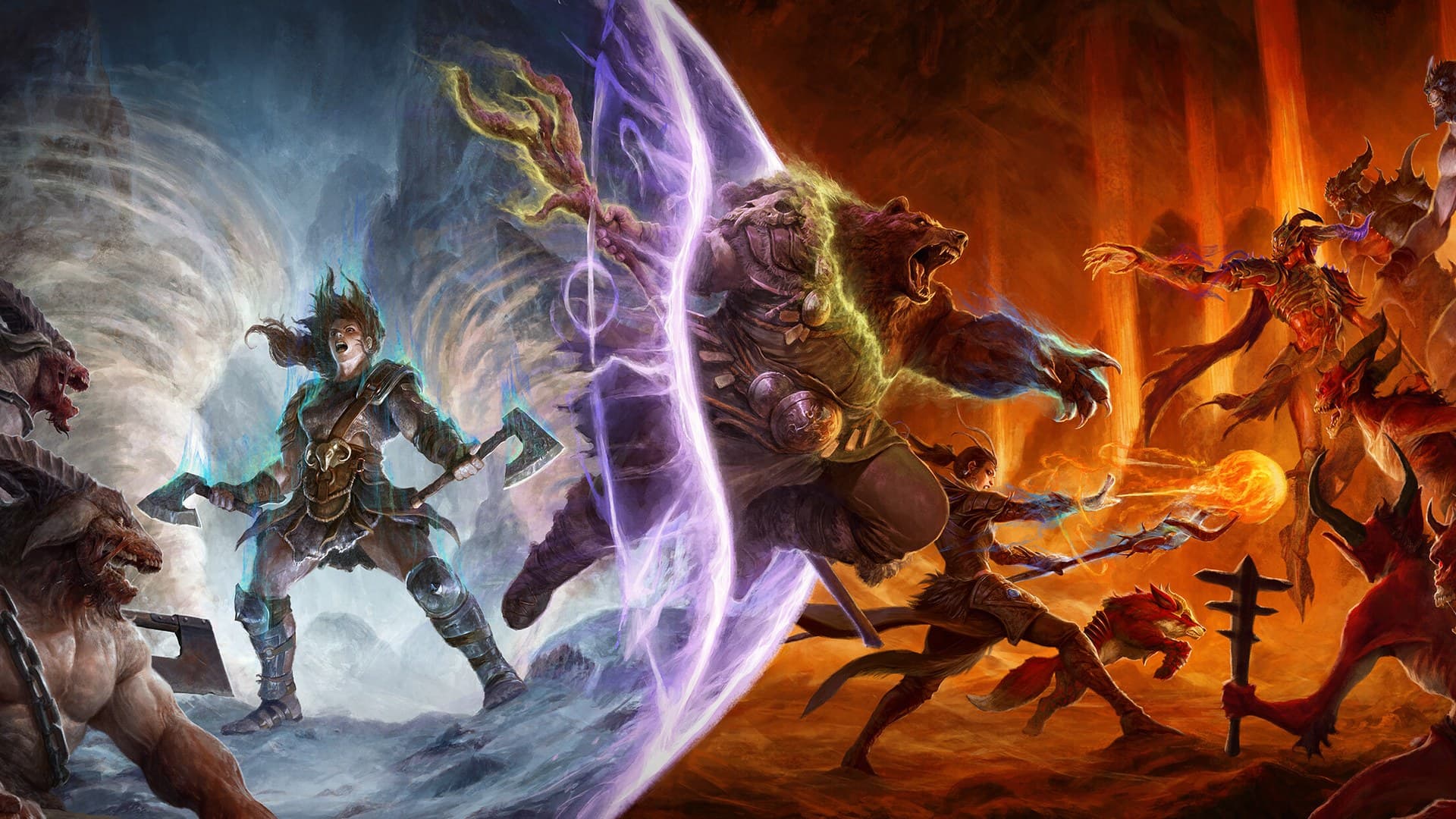
Diablo 4's Switch 2 Port Is a $70 Code in a Box
Blizzard's action-RPG is reportedly coming to Switch 2 in mid-September, but the physical version won't even include a cartridge. You're paying $70 for a box with a download code inside.